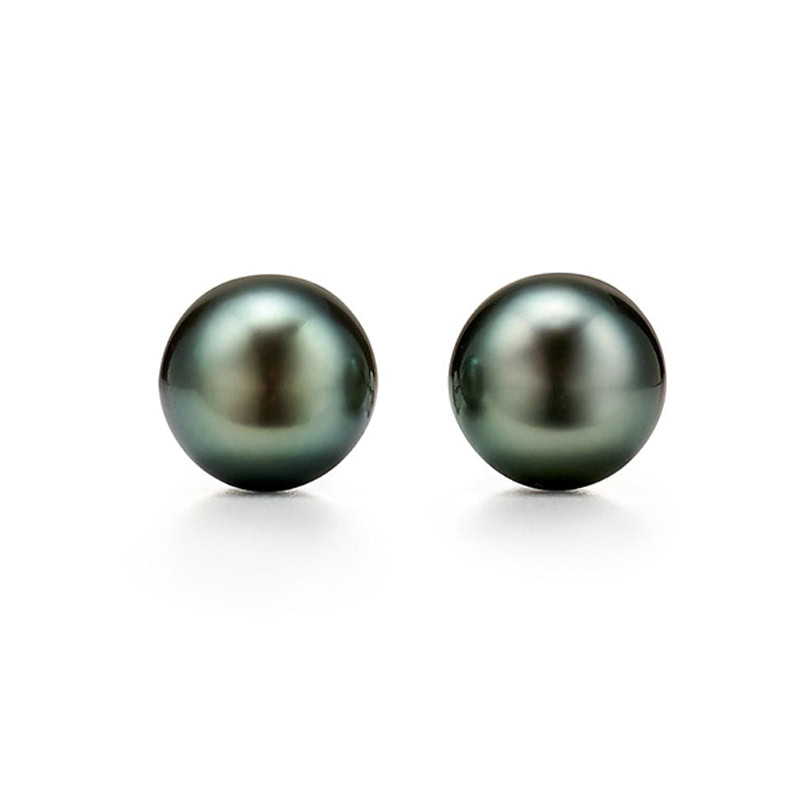
Are Chinese Pearls Good Quality?
China has established itself as one of the world’s leading [...]
China has established itself as one of the world’s leading producers of freshwater pearls, contributing significantly to the global pearl market. However, a common question among jewelry enthusiasts and consumers remains: are Chinese pearls good quality? This article explores the quality aspects of Chinese pearls, examining their characteristics, production methods, and how they compare to pearls from other regions.
The History of Chinese Pearl Production and Quality
China’s relationship with pearls dates back thousands of years. Archaeological evidence suggests that pearl harvesting in China began as early as 2200 BCE during the Xia Dynasty. Throughout Chinese history, pearls were highly prized possessions, reserved for royalty and the elite class, symbolizing wealth, purity, and wisdom.
The modern Chinese pearl industry, however, truly began to flourish in the 1970s when freshwater pearl cultivation techniques were refined and implemented on a large scale. Since then, China has revolutionized the global pearl market by producing vast quantities of freshwater pearls at affordable prices.
Evolution of Chinese Pearl Quality Standards
The early reputation of Chinese pearls was mixed. Initially, Chinese freshwater pearls were known for their irregular shapes, small sizes, and lesser luster compared to their saltwater counterparts. However, over the past three decades, Chinese pearl farmers have made remarkable strides in improving cultivation techniques, resulting in significantly enhanced quality.
Today, top-grade Chinese pearls rival some of the finest pearls from other regions, offering excellent luster, minimal surface imperfections, and increasingly round shapes. This evolution represents one of the most impressive quality improvement stories in the gemstone industry.
Factors Determining Chinese Pearl Good Quality
Several key factors determine whether Chinese pearls can be considered good quality. Understanding these elements helps consumers make informed decisions when purchasing Chinese pearl jewelry.
Chinese Pearl Luster and Good Quality Connection
Luster is perhaps the most important quality factor for any pearl, including Chinese varieties. It refers to the pearl’s ability to reflect light, creating the characteristic “glow” that pearls are famous for. High-quality Chinese pearls exhibit a sharp, mirror-like reflection rather than a dull or chalky appearance.
The best Chinese freshwater pearls display excellent luster comparable to Akoya pearls, though they often have a softer, more satiny appearance compared to the sharp, reflective luster of saltwater varieties. This distinctive luster quality gives Chinese pearls their unique character.
Surface Quality of Chinese Pearl Products
Surface quality refers to the presence or absence of imperfections on a pearl’s exterior. These can include pits, bumps, wrinkles, or spots. High-quality Chinese pearls have minimal surface imperfections, with smoother, cleaner surfaces.
It’s worth noting that even good quality Chinese pearls typically have some minor surface irregularities, as completely flawless pearls are extremely rare in nature. However, premium Chinese pearls will have these imperfections distributed in a way that doesn’t detract from the pearl’s overall beauty.
Chinese Pearl Shape and Size: Quality Indicators
Historically, Chinese freshwater pearls were known for their irregular, baroque shapes. However, advancements in cultivation techniques have enabled Chinese pearl farmers to produce increasingly round pearls.
Today, Chinese pearl producers can create nearly perfect round pearls, though these command higher prices due to their rarity and desirability. That said, many connoisseurs appreciate the unique character of off-round or baroque Chinese pearls, which often display fascinating shapes and exceptional luster.
Size is another quality indicator, with larger pearls generally being more valuable. Chinese freshwater pearls typically range from 2mm to 15mm, with pearls above 8mm considered large and of higher value.
Comparing Chinese Pearl Quality to Other Pearl Types
To fully understand the quality of Chinese pearls, it’s helpful to compare them with other major pearl varieties from around the world.
Chinese Pearl vs. Akoya: Quality Comparison
Akoya pearls, primarily from Japan, have traditionally been considered the standard for classic, round white pearls. They typically feature exceptional luster with a sharp, mirror-like reflection.
While top-quality Chinese pearls may not have quite the same reflective quality as Akoyas, they often compensate with other desirable characteristics. Chinese pearls typically:
- Offer more varied natural colors
- Come in larger sizes for lower prices
- Have thicker nacre (the substance that creates the pearl), which contributes to durability
Many jewelry experts now acknowledge that premium Chinese freshwater pearls can rival Akoya pearls in overall quality while offering better value.
Chinese Pearl and South Sea Pearl: Good Quality Differences
South Sea pearls, produced in Australia, Indonesia, and the Philippines, are known for their large size (typically 9-20mm) and soft, satiny luster. They are among the most expensive pearls in the world.
Chinese pearls differ from South Sea pearls in several ways:
- Generally smaller in size
- Often have a more brilliant luster than the satiny glow of South Sea pearls
- Available at a fraction of the price
While South Sea pearls may be considered superior in terms of size and prestige, Chinese pearls offer excellent quality at a much more accessible price point.
The Market Value of Good Quality Chinese Pearls
The economic aspect of Chinese pearl quality is an important consideration for both consumers and industry professionals.
How to Identify Good Quality Chinese Pearl Jewelry
When shopping for Chinese pearl jewelry, consider these indicators of good quality:
- Strong, visible luster with clear reflections
- Relatively smooth surfaces with minimal imperfections
- Uniform color throughout the strand (for pearl necklaces)
- Well-matched pearls in multi-pearl pieces
- Secure, quality settings in finished jewelry
Reputable jewelers should be willing to provide information about the pearls’ origin and quality characteristics. Many now offer certification for higher-end Chinese pearl jewelry.
Chinese Pearl Price-Quality Relationship
One of the most compelling advantages of Chinese pearls is their exceptional value proposition. Due to efficient farming methods and lower labor costs, Chinese pearls typically offer excellent quality-to-price ratios compared to other pearl varieties.
For example, a strand of 7-8mm high-quality Chinese freshwater pearls might cost between $200-500, while a comparable strand of Akoya pearls could cost $1,000-3,000. This accessibility has democratized pearl ownership, making good quality pearls available to a much wider audience.
Sustainability and Chinese Pearl Production Quality
The environmental impact of pearl farming has become an increasingly important factor in assessing overall quality and value.
Eco-Friendly Chinese Pearl Farming and Quality Standards
Unlike many other gemstones that require mining, pearls are a renewable resource. Chinese pearl farming, when done responsibly, can be environmentally sustainable and even beneficial to aquatic ecosystems.
The best Chinese pearl farms maintain high water quality standards and sustainable practices, recognizing that healthy environments produce better quality pearls. However, practices vary widely across the industry, with some operations prioritizing quantity over sustainable production methods.
Consumers interested in sustainability should look for Chinese pearl suppliers who can provide information about their environmental practices and certifications.
The Future of Chinese Pearl Quality
The Chinese pearl industry continues to evolve, with quality improvements ongoing.
Innovation in Chinese Pearl Cultivation and Quality Improvement
Chinese pearl farmers and researchers are constantly working to improve cultivation techniques. Recent innovations include:
- New mussel species that produce larger, rounder pearls
- Improved nucleation techniques resulting in better shapes
- Advanced farming methods that enhance luster and surface quality
- Sustainable farming practices that result in healthier pearls
These ongoing innovations suggest that the quality of Chinese pearls will continue to improve in the coming years, potentially narrowing the gap between Chinese freshwater pearls and the most prestigious saltwater varieties.
The Rising Reputation of Good Quality Chinese Pearls in Global Markets
The perception of Chinese pearls in international markets has undergone a significant transformation. Once dismissed as inferior alternatives to Japanese or Australian pearls, high-quality Chinese pearls are now recognized and sought after by discerning consumers and jewelry designers worldwide.
Many luxury jewelry brands now incorporate premium Chinese freshwater pearls into their collections, acknowledging their exceptional beauty and value. This changing perception reflects the genuine quality improvements achieved by Chinese pearl producers over recent decades.
Conclusion: Are Chinese Pearls Good Quality?
The question “Are Chinese pearls good quality?” cannot be answered with a simple yes or no. Like pearls from any region, Chinese pearls range from lower quality to exceptional specimens. However, several key points emerge from our analysis:
- The quality of Chinese pearls has improved dramatically over the past three decades.
- Top-grade Chinese freshwater pearls offer excellent luster, good surface quality, and increasingly round shapes.
- Chinese pearls provide exceptional value, offering quality comparable to more expensive varieties at more accessible price points.
- The unique characteristics of Chinese pearls, including their varied natural colors and thick nacre, are increasingly appreciated by pearl connoisseurs.
For consumers, Chinese pearls represent an excellent opportunity to own beautiful, good quality pearls at reasonable prices. By understanding the quality factors discussed in this article and purchasing from reputable sources, buyers can find Chinese pearls that offer both beauty and value.
Whether for investment, special occasions, or everyday wear, good quality Chinese pearls deserve serious consideration from anyone interested in these timeless gems.
Share This Article

Written by : Scarlett Chen
Follow Us
Latest Articles
September 13, 2026
September 13, 2026