The Art and Science of Pearl Cultivation
Pearls, often called “gems of the sea,” are unique among [...]
Pearls, often called “gems of the sea,” are unique among precious jewels as they require no cutting or polishing to reveal their natural beauty. Unlike diamonds, emeralds, or rubies that are mined from the earth, pearls are grown within living organisms—specifically, certain species of mollusks. While natural pearls form spontaneously in the wild (an extremely rare occurrence), the vast majority of pearls available today are cultivated through human intervention. This article explores the fascinating processes behind the cultivation of the four major types of pearls: Freshwater, Akoya, Tahitian, and South Sea pearls.
Freshwater Pearl Cultivation
Freshwater pearls account for approximately 95% of all pearls produced globally, with China dominating the market as the world’s largest producer. Unlike other pearl types that are grown in oysters, freshwater pearls are primarily cultivated in mussels, particularly the species Hyriopsis cumingii (triangle shell mussel) and Cristaria plicata (cockscomb mussel).
Cultivation Environment
Freshwater pearl farms are typically established in lakes, ponds, and rivers with clean, unpolluted water. The ideal cultivation environment requires:
- Water temperature between 15-25°C (59-77°F)
- Sufficient calcium content in the water
- Appropriate pH levels (7.0-8.5)
- Adequate phytoplankton for mussel nutrition
- Protection from extreme weather conditions
China’s freshwater pearl industry is concentrated in the southern provinces, particularly around Lake Tai in Jiangsu Province, Zhuji in Zhejiang Province, and various locations in Hunan Province. These regions offer ideal conditions for mussel growth and pearl formation.
The Cultivation Process
The freshwater pearl cultivation process differs significantly from that of saltwater pearls:
- Mussel Selection and Preparation: Young mussels (typically 2-3 years old) are selected for their health and vigor. They are carefully cleaned and prepared for the nucleation process.
- Nucleation: Unlike saltwater pearls that typically use a round bead nucleus, traditional freshwater pearls are created by inserting only a small piece of mantle tissue (called a graft) from a donor mussel into the host mussel. This tissue-only nucleation is what historically gave freshwater pearls their characteristic irregular shapes.Modern techniques now sometimes include the use of small bead nuclei to produce rounder freshwater pearls, though tissue-only nucleation remains common.
- Multiple Insertions: One of the most distinctive aspects of freshwater pearl cultivation is that each mussel can accommodate multiple tissue insertions—anywhere from 12 to 50 grafts per mussel, depending on the size and health of the host. This allows for much higher productivity compared to saltwater pearls.
- Cultivation Period: After nucleation, the mussels are returned to the water in nets or cages. The cultivation period for freshwater pearls ranges from 6 months to 7 years, with most commercial harvests occurring after 2-3 years.
- Harvesting: When harvest time arrives, the mussels are carefully opened, and the pearls are removed. Unlike oysters used in saltwater pearl cultivation, freshwater mussels are often hardy enough to survive the harvesting process and can sometimes be used for a second cultivation cycle.
Unique Characteristics
Freshwater pearls possess several distinctive characteristics:
- Size: Typically range from 2mm to 15mm, with most commercial pearls falling in the 5-8mm range
- Shape: Historically more baroque (irregular) than saltwater pearls, though modern cultivation techniques now produce increasingly round specimens
- Color: Natural colors include white, cream, pink, lavender, and peach tones
- Nacre Composition: 100% nacre (unlike Akoya and other saltwater pearls that form around a bead nucleus), which contributes to their durability
- Luster: Often described as soft and satiny rather than the sharp, mirror-like reflection of saltwater pearls
Recent advances in freshwater pearl cultivation in China have led to significant improvements in quality, with some high-end freshwater pearls now rivaling their more expensive saltwater counterparts in terms of size, shape, and luster.
Akoya Pearl Cultivation
Akoya pearls, primarily cultivated in Japan and China, are known for their perfectly round shape, high luster, and classic white color with rose or silver overtones. These pearls are grown in the Pinctada fucata martensii oyster, commonly known as the Akoya oyster.
Historical Significance
The cultivation of Akoya pearls holds immense historical significance as it marks the birth of the modern pearl industry. In 1893, Kokichi Mikimoto successfully produced the world’s first cultured pearl on Ojima Island (now called Mikimoto Pearl Island) in Japan. By 1916, Mikimoto had perfected the technique for producing completely round cultured pearls, revolutionizing the pearl industry forever.
Cultivation Environment
Akoya pearls require specific marine conditions for optimal growth:
- Relatively cool water temperatures (15-23°C or 59-73°F)
- Protected bays or inlets with calm water
- Stable salinity levels
- Abundant phytoplankton for oyster nutrition
The primary cultivation regions include:
- Ago Bay, Gokasho Bay, and Matoya Bay in Mie Prefecture, Japan
- Kyushu and Shikoku islands in Japan
- Shandong and Liaoning provinces in China
The Cultivation Process
The Akoya pearl cultivation process follows these key steps:
- Oyster Collection and Preparation: Wild Akoya oysters are becoming increasingly rare, so most farms rely on hatchery-bred specimens. Young oysters (typically 1-2 years old) are collected and carefully prepared for nucleation.
- Nucleation: This critical process involves surgically implanting two foreign bodies into the gonad of the oyster:
- A small piece of mantle tissue from a donor oyster
- A round bead nucleus (typically made from the shell of freshwater mussels from the Mississippi River)
The mantle tissue, containing epithelial cells, forms a pearl sac around the bead nucleus and begins secreting nacre layers.
- Recovery Period: After nucleation, the oysters are placed in recovery nets for 2-3 weeks, during which many will reject the nuclei. Only about 30-40% of nucleated oysters successfully retain their nuclei.
- Suspension Culture: The oysters that retain their nuclei are then transferred to cultivation rafts or longlines in the ocean. They are typically placed in mesh panels or baskets suspended from rafts or longlines at depths where water temperature, food availability, and protection from predators are optimal.
- Cultivation Period: Akoya pearls require 6-18 months of cultivation time, with higher quality pearls generally requiring longer growth periods. The relatively short cultivation period (compared to South Sea or Tahitian pearls) is a function of the smaller size of the Akoya oyster and the cooler waters in which they live.
- Harvesting: Unlike freshwater mussels, Akoya oysters rarely survive the harvesting process. The oysters are carefully opened, and the pearls are removed. Only about 5% of the original oysters nucleated will produce high-quality pearls.
Unique Characteristics
Akoya pearls are distinguished by several key features:
- Size: Typically range from 2mm to 10mm, with most commercial Akoya pearls between 6-8mm
- Shape: Known for their perfectly round shape, though semi-round and baroque shapes also occur
- Color: Primarily white to cream with rose, silver, or cream overtones
- Nacre Thickness: Relatively thin nacre (0.2-0.4mm) compared to other pearl types
- Luster: Exceptional sharp, mirror-like luster—often considered the most reflective of all pearl types
Japanese Akoya pearls are generally considered superior to those produced in China, with better luster and thicker nacre, though this gap has narrowed in recent years with improvements in Chinese cultivation techniques.
Tahitian Pearl Cultivation
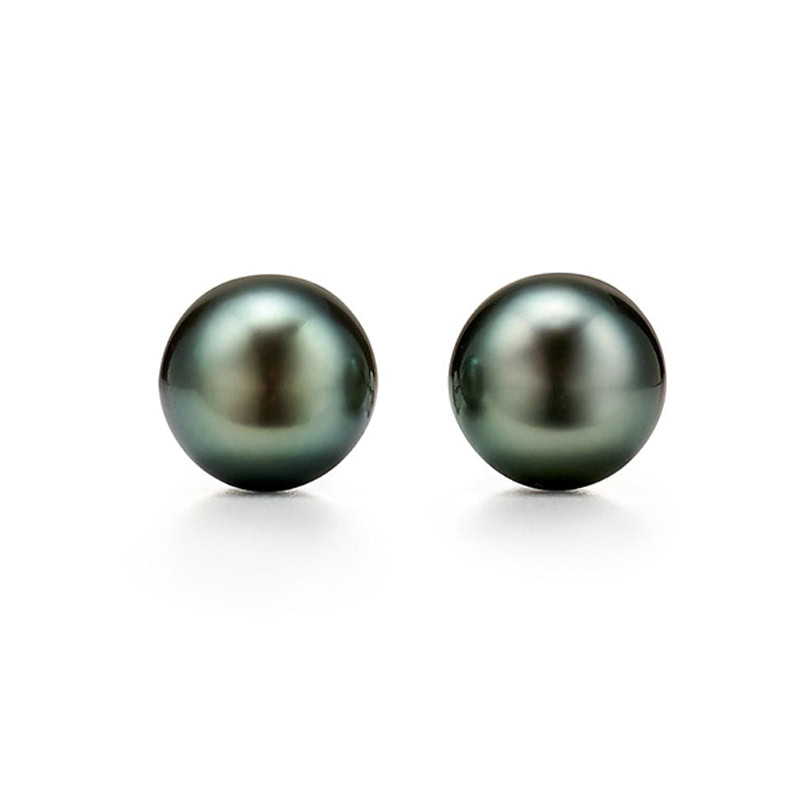
Tahitian pearls, also known as black pearls, are among the most exotic and distinctive cultured pearls in the world. Despite their name, these pearls are not exclusively cultivated in Tahiti but throughout the French Polynesian islands, with the main production centers in the Tuamotu and Gambier archipelagos.
Cultivation Environment
Tahitian pearls are grown in the black-lipped pearl oyster (Pinctada margaritifera), which requires specific environmental conditions:
- Warm tropical waters (25-30°C or 77-86°F)
- Clear, unpolluted lagoons with good water circulation
- Stable salinity levels
- Protected atolls that provide shelter from storms while allowing water exchange with the open ocean
The geography of French Polynesia, with its numerous atolls and lagoons, provides ideal conditions for black pearl cultivation. The most significant pearl farming regions include:
- The Tuamotu Archipelago (particularly Arutua, Rangiroa, and Manihi atolls)
- The Gambier Islands
- The Society Islands (including Tahaa and Raiatea)
The Cultivation Process
The cultivation of Tahitian pearls follows these principal stages:
- Oyster Collection: Young black-lipped oysters are collected either from the wild (through the placement of collectors that attract oyster spat) or increasingly from hatcheries. The oysters must reach approximately 10cm in diameter before they are suitable for nucleation, which typically takes 2-3 years.
- Pre-operative Care: Before nucleation, the oysters undergo a preparation period where they are cleaned of marine growth and rested to ensure they are in optimal health.
- Nucleation: Similar to Akoya pearl cultivation, the nucleation process involves surgically implanting a mantle tissue graft from a donor oyster along with a round bead nucleus into the gonad of the host oyster. However, the black-lipped oyster is considerably larger than the Akoya oyster, allowing for the use of larger nuclei (typically 6-12mm).
- Recovery and Monitoring: After nucleation, the oysters are placed in protective nets for 6-8 weeks. During this period, they are carefully monitored, and those that reject their nuclei (approximately 30-40%) are removed.
- Suspension Culture: Successfully nucleated oysters are then transferred to cultivation systems in the lagoon, typically consisting of suspended lines from which the oysters hang in individual pockets or baskets at depths of 6-10 meters. This depth provides protection from surface water temperature fluctuations and excessive sunlight.
- Maintenance: Throughout the cultivation period, the oysters require regular cleaning to remove parasites and algae that could impede their feeding and respiration.
- Cultivation Period: Tahitian pearls require a cultivation period of 18-24 months, significantly longer than Akoya pearls. This extended growth period contributes to their larger size and thicker nacre.
- Harvesting: At harvest time, the oysters are carefully removed from the water, and a small incision is made to extract the pearl. Unlike Akoya oysters, black-lipped oysters can often survive the harvesting process and be re-nucleated for a second or even third cultivation cycle.
Unique Characteristics
Tahitian pearls possess several distinctive features that set them apart:
- Size: Typically range from 8mm to 18mm, with most commercial pearls between 9-13mm
- Color: Despite being called “black pearls,” they actually display a wide spectrum of dark colors including peacock green, aubergine, gray, blue, and bronze, often with colorful overtones
- Shape: Available in various shapes, from perfectly round to baroque, with drops, buttons, and circles also being common
- Nacre Thickness: Substantial nacre (0.8-2.0mm), contributing to their durability and value
- Luster: Characterized by a deep, metallic luster that can appear almost iridescent under certain lighting conditions
The unique colors of Tahitian pearls result from the black-lipped oyster’s dark mantle tissue, which secretes nacre containing organic pigments. No dyes or treatments are needed to produce their dramatic dark hues, making them highly prized in the luxury jewelry market.
South Sea Pearl Cultivation
South Sea pearls represent the pinnacle of pearl cultivation, producing the largest, most valuable cultured pearls in the world. These magnificent gems are cultivated from the silver-lipped oyster (Pinctada maxima) in two color variants: the silver-lipped variety that produces white to silver pearls, and the gold-lipped variety that creates golden pearls.
Cultivation Regions
South Sea pearl cultivation is concentrated in three main geographic areas:
- Australia: The pristine waters off the northwestern coast of Australia, particularly in the Kimberley region, produce primarily white South Sea pearls. Australia is recognized for implementing rigorous quality standards and sustainable farming practices.
- Indonesia: The islands of Indonesia, especially around Sulawesi, Maluku, and Papua, cultivate both white and golden South Sea pearls. Indonesian waters offer ideal growing conditions for the Pinctada maxima oyster.
- Philippines: The southern Philippines, particularly the Palawan region, is known for producing golden South Sea pearls of exceptional quality.
Each region imparts subtle differences in the character of the pearls produced, with Australian pearls generally commanding the highest prices due to their consistent quality and superior luster.
Cultivation Environment
South Sea pearls require specific environmental conditions for optimal growth:
- Warm tropical waters (23-30°C or 73-86°F)
- Pristine marine environments with minimal pollution
- Stable salinity levels
- Nutrient-rich waters that support abundant phytoplankton
- Protected areas with moderate water movement
The remote locations of many South Sea pearl farms contribute to the purity of the water and, consequently, the exceptional quality of the pearls produced.
The Cultivation Process
The cultivation of South Sea pearls involves several sophisticated stages:
- Oyster Sourcing: Pinctada maxima oysters are either collected as wild spat (juvenile oysters) or increasingly bred in hatcheries. The use of hatchery-bred oysters allows for selective breeding programs that can enhance desirable traits.
- Growth Period: The oysters must reach a substantial size before nucleation, typically 20-30cm in diameter. This growth phase requires 2-3 years, making South Sea pearl cultivation a particularly long-term investment.
- Nucleation: The nucleation process for South Sea pearls follows the same basic principles as other saltwater pearls but on a larger scale. A piece of mantle tissue from a donor oyster is surgically implanted along with a bead nucleus into the gonad of the host oyster. Due to the large size of the Pinctada maxima, larger nuclei (8-20mm) can be used compared to other pearl types.
- Recovery: After nucleation, the oysters are placed in protective panels or baskets for 6-8 weeks. During this critical period, many oysters will reject their nuclei. The rejection rate can be as high as 60%, making South Sea pearl cultivation particularly challenging and costly.
- Long-line Cultivation: Successfully nucleated oysters are transferred to long-lines suspended in the ocean at depths of 2-10 meters. The oysters are housed in panels, nets, or individual pockets that allow water circulation while providing protection from predators.
- Maintenance Regime: Throughout the cultivation period, regular cleaning and health monitoring are essential. The oysters are periodically lifted from the water, cleaned of marine growth, and inspected for parasites or disease.
- Cultivation Period: South Sea pearls require the longest cultivation period of all pearl types—typically 2-3 years from nucleation to harvest. This extended growth period contributes to their exceptional size and thick nacre coating.
- Harvesting: At harvest time, skilled technicians carefully open the oysters and remove the pearls. Due to the value of the Pinctada maxima oysters and their capacity to produce multiple pearls over their lifetime, great care is taken to preserve the oyster’s life during harvesting. Many oysters are re-nucleated for second, third, or even fourth production cycles.
Unique Characteristics
South Sea pearls possess several distinctive characteristics that contribute to their status as the most prestigious of all cultured pearls:
- Size: Typically range from 9mm to 20mm, with most commercial South Sea pearls between 10-15mm
- Color: White to silver (from silver-lipped oysters) or golden (from gold-lipped oysters), with various subtle overtones
- Shape: Available in round, near-round, drop, button, baroque, and circled varieties
- Nacre Thickness: Exceptional nacre thickness (2.0-6.0mm), the thickest of all cultured pearls
- Luster: Characterized by a deep, satiny luster rather than the sharp reflectivity of Akoya pearls
The substantial nacre thickness of South Sea pearls not only contributes to their distinctive appearance but also enhances their durability and longevity. While Akoya pearls may show wear after decades of regular use, South Sea pearls can remain beautiful for generations with proper care.
Challenges and Future of Pearl Cultivation
Environmental Challenges
All forms of pearl cultivation face increasing environmental challenges:
- Climate Change: Rising water temperatures and ocean acidification threaten oyster health and pearl quality
- Pollution: Agricultural runoff, industrial pollution, and microplastics pose serious threats to pearl farming regions
- Extreme Weather Events: Increasingly frequent and severe storms can devastate pearl farms
- Disease Outbreaks: Various pathogens can cause mass mortality events in pearl oysters
These challenges have led to significant investments in research and development within the pearl industry, focusing on disease-resistant oyster strains, improved farming techniques, and water quality monitoring.
Technological Innovations
The pearl cultivation industry continues to evolve through technological innovation:
- Advanced Hatchery Techniques: Selective breeding programs aim to develop oyster strains with superior traits for pearl production
- Improved Nucleation Methods: More sophisticated surgical tools and techniques have increased success rates
- Water Quality Monitoring: Real-time monitoring systems allow farmers to respond quickly to environmental changes
- Genetic Research: Studies of oyster genetics may eventually lead to improved pearl quality and oyster resilience
Sustainability Practices
Leading pearl producers are increasingly adopting sustainable practices:
- Ecosystem Approach: Recognizing that healthy marine ecosystems produce better pearls
- Reduced Chemical Use: Minimizing treatments and antibiotics
- Water Conservation: Implementing systems to maintain water quality
- Community Involvement: Engaging local communities in conservation efforts
Sustainable pearl farming can actually benefit marine ecosystems by improving water quality (as oysters are filter feeders) and providing habitat for marine life. This positive environmental impact is becoming an important selling point for environmentally conscious consumers.
Conclusion
Pearl cultivation represents an extraordinary intersection of art, science, and nature. From the lakes of China to the remote atolls of French Polynesia, pearl farmers work with living organisms to create objects of exceptional beauty. Each pearl type—Freshwater, Akoya, Tahitian, and South Sea—requires specific knowledge, techniques, and environmental conditions to produce successfully.
The journey from a simple piece of mantle tissue and a nucleus to a lustrous pearl involves years of careful tending and a considerable amount of risk. Disease, predation, rejection, and environmental factors can all lead to failed crops. Yet when successful, the results are truly magnificent—organic gems that have captivated human imagination for millennia.
As we look to the future, the pearl cultivation industry faces significant challenges from climate change and environmental degradation. However, through technological innovation and sustainable practices, pearl farmers are adapting to these challenges while continuing to produce these remarkable gems. The ancient allure of pearls, combined with modern cultivation techniques, ensures that these “gems of the sea” will continue to enchant generations to come.
Share This Article

Written by : Scarlett Chen
Follow Us
Latest Articles
July 27, 2026
July 27, 2026