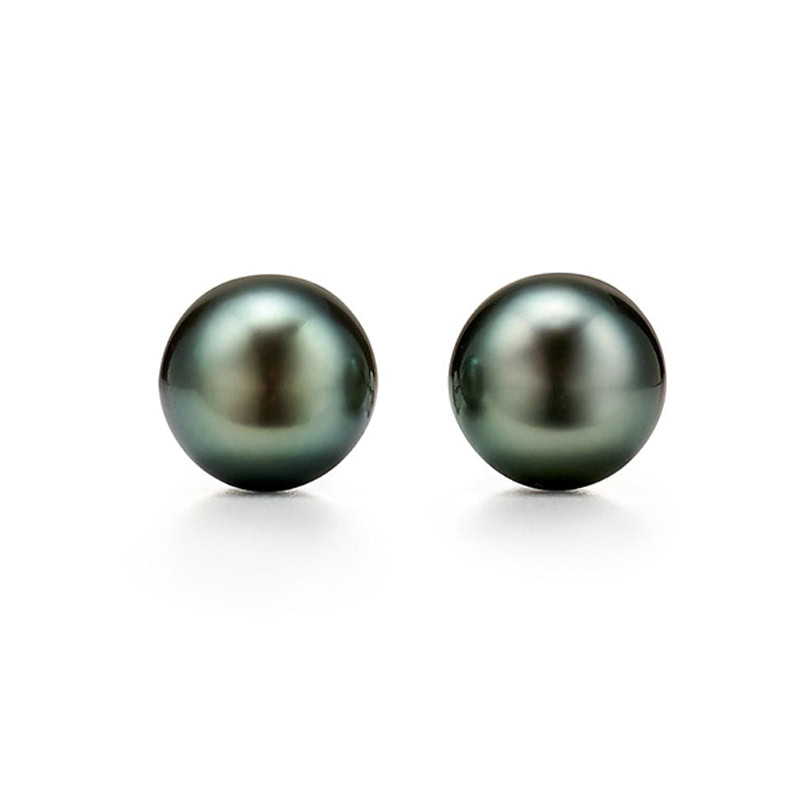
How Pearls Are Harvested: From Ocean to Jewelry

Pearl harvesting is a meticulous process that combines traditional knowledge [...]
Pearl harvesting is a meticulous process that combines traditional knowledge with modern techniques. The journey from mollusk to marketable gem involves several carefully managed stages that have evolved significantly over time.
Historical Pearl Harvesting
Before modern cultivation methods, pearls were obtained through natural diving—a dangerous practice dating back thousands of years in regions like the Persian Gulf, Red Sea, India, and Japan. Divers would descend to the ocean floor to collect wild oysters by hand, often risking their lives in search of these rare gems.
This method was not only perilous but also highly inefficient. By the late 19th century, overharvesting and declining oyster populations made it clear that a more sustainable approach was needed, leading to the development of cultured pearl techniques.
Modern Pearl Farming and Harvesting
1. Obtaining and Preparing Mollusks
Modern pearl farming begins with acquiring suitable oysters or mussels:
- Breeding: Many farms now breed their own mollusks. This involves collecting eggs and sperm from quality pearl-producing oysters and fertilizing them in controlled environments.
- Wild collection: Some farms, particularly in Australia, still collect fully-grown adult oysters from the wild or gather “wild-spat” (juvenile oysters) as is done in Tahiti and Mexico.
2. Nucleation/Grafting Process
The key step that initiates pearl formation:
- Saltwater pearls: A technician inserts a bead nucleus along with a small piece of mantle tissue from a donor oyster into the reproductive organ of the host oyster.
- Freshwater pearls: A piece of mantle tissue is placed inside an incision in the host mussel’s mantle rather than in the gonad, allowing for the production of 24-32 pearls per mussel within each culturing cycle.
3. Growth Period
After nucleation, the mollusks require time to produce their pearls:
- Healing: The oysters are given a few weeks to heal from the surgical procedure.
- Cultivation: The mollusks are then placed in protective environments such as nets, cages, or baskets and returned to the water.
- Maintenance: During growth, farmers regularly clean the mollusks to remove parasites and algae, carefully monitoring water conditions.
- Growth time: The cultivation period varies by pearl type:
- Akoya pearls: 10 months to 2 years
- South Sea and Tahitian pearls: 2 to 4 years
- Freshwater pearls: 2 to 5 years
4. Harvesting Process
When pearls reach maturity, the harvest begins:
- Timing: Harvesting usually takes place during specific seasons when water temperatures and conditions are stable, ensuring optimal quality.
- Extraction: The oysters or mussels are carefully opened to remove the pearls without damaging their delicate nacre surface.
- Processing: After removal, pearls are collected, meticulously washed, dried, and sorted based on their unique characteristics.
5. Post-Harvest Assessment
The harvesting process includes crucial decisions about the future:
- Mollusc evaluation: Farmers assess the health of the mollusks to determine if they can continue producing pearls or should be retired.
- Reseeding: Some oysters, particularly larger varieties used for South Sea pearls, can be reseeded multiple times to produce additional pearls, while smaller species like Akoya may only yield one or two harvests.
Challenges in Pearl Farming
Pearl farming remains a risky business despite modern techniques. Entire beds of oysters can be devastated by:
- Disease
- Water pollution
- Intense storms
- Temperature extremes
- Other environmental factors
To mitigate these risks, farmers typically conduct operations during autumn and spring when water temperatures and environmental conditions are more stable and calm.
Conclusion
The evolution from dangerous pearl diving to systematic cultivation represents one of the most significant developments in the jewelry industry. Modern pearl harvesting combines traditional knowledge with scientific techniques to produce pearls of consistent quality while protecting wild oyster populations. This sustainable approach has made pearls more accessible and diverse, transforming them from rare treasures of royalty to beloved gems that can be enjoyed by many.
Share This Article

Written by : Scarlett Chen
Follow Us
Latest Articles
July 27, 2026
July 27, 2026