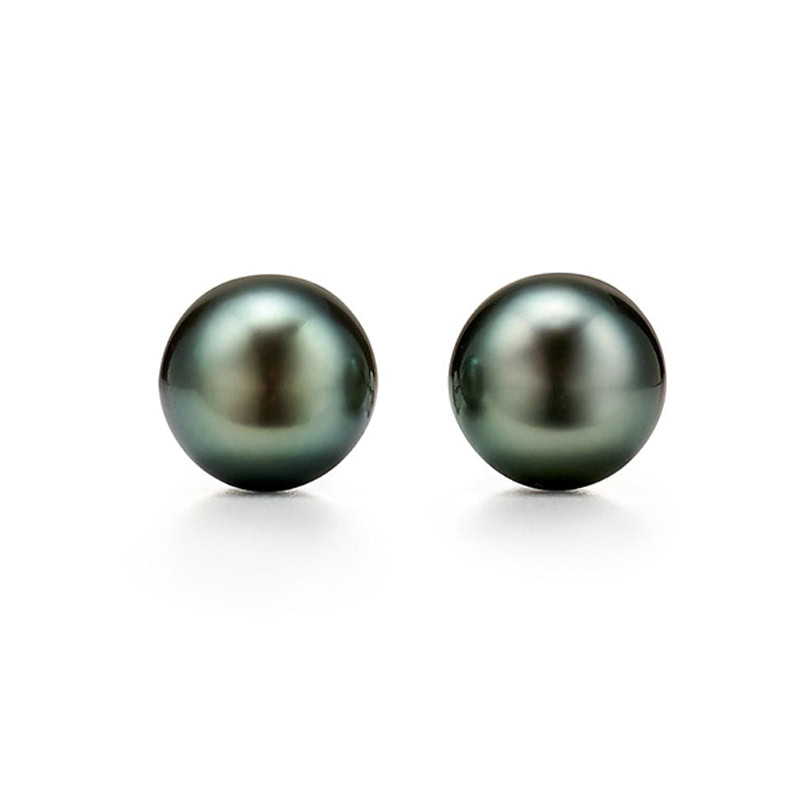
Are there natural remedies for pearl cleaning that are safe to use?

While pearls require exceptionally gentle care due to their organic, [...]
While pearls require exceptionally gentle care due to their organic, porous nature, a few natural remedies can be used safely—but only with caution and moderation. Unlike hard gemstones, pearls are made of calcium carbonate and layers of nacre, which are easily damaged by acids, abrasives, or excessive moisture. Below are natural options that are generally considered safe when applied correctly, along with important caveats:
✅ Safe Natural Approaches
1. Distilled Water + Soft Microfiber Cloth
- How to use: Lightly dampen a clean, soft microfiber cloth with distilled (not tap) water and gently wipe each pearl after wearing.
- Why it’s safe: Distilled water lacks minerals and chlorine that can degrade pearls. This method removes surface oils and residues without introducing chemicals.
2. Very Diluted Mild Soap (e.g., Unscented Castile or Baby Shampoo)
- How to use: Mix 1 drop of natural, pH-neutral soap into a small bowl of distilled water. Dampen a cloth in the solution (never soak the pearls), wipe gently, then immediately wipe again with a cloth dampened only with distilled water to rinse. Air-dry flat on a soft towel.
- Why it’s safe: These soaps are free from dyes, fragrances, and harsh surfactants. However, this should be done no more than once or twice a year.
3. Dry Cleaning with a Chamois or Silk Cloth
- How to use: After wearing, buff pearls lightly with a dry, natural chamois leather or untreated silk cloth.
- Why it’s safe: These materials are ultra-soft and help restore luster by removing skin oils without moisture or chemicals.
❌ Natural Remedies to AVOID (Despite Being “Natural”)
• Vinegar or Lemon Juice
- Risk: Highly acidic—can dissolve the calcium carbonate in pearls within minutes, causing irreversible etching or dullness.
• Baking Soda
- Risk: Mildly abrasive and alkaline; can scratch the nacre and disrupt the pearl’s surface integrity.
• Olive Oil, Coconut Oil, or Other “Polishing” Oils
- Risk: May leave a greasy residue that attracts dust and dirt, clogs pores in the nacre, and yellows over time. Pearls do not need “moisturizing”—they maintain their own natural balance.
• Essential Oils or Herbal Infusions
- Risk: Often contain alcohols, acids, or volatile compounds that can degrade pearls or damage the silk thread.
Key Principles for Safe Natural Cleaning:
- Less is more: Pearls rarely need deep cleaning. Wiping after wear is usually sufficient.
- Never soak: Moisture weakens the silk thread and can seep into drill holes, causing internal damage.
- Avoid DIY “polishes”: Pearls should never be polished like metal—they shine naturally when clean and undamaged.
- When in doubt, don’t: If your pearls look dull or stained, consult a professional jeweler rather than experimenting with home remedies.
Final Thought:
The safest “natural remedy” for pearl care is preventive maintenance: put your pearls on after applying perfume, makeup, and hairspray, and wipe them gently with a dry microfiber cloth before storing. This simple habit preserves their beauty far better than any cleaning solution—natural or otherwise.
Share This Article

Written by : Svenja Han
Follow Us
Latest Articles
July 26, 2026
July 26, 2026