Loose Akoya Pearls: The Timeless Gems for DIY Jewelry
Among the treasures of the sea, Akoya pearls stand as paragons of elegance and refinement. These exquisite gems, cultivated primarily in the cool waters off Japan and China, have captivated jewelry enthusiasts for generations with their exceptional luster, consistent shape, and remarkable color range. For DIY jewelry makers, Akoya pearls offer an unparalleled opportunity to create heirloom-quality pieces that combine classic beauty with personal artistic expression.
The Splendid Variety of Akoya Pearls
White Akoya Pearls: The Classic Choice
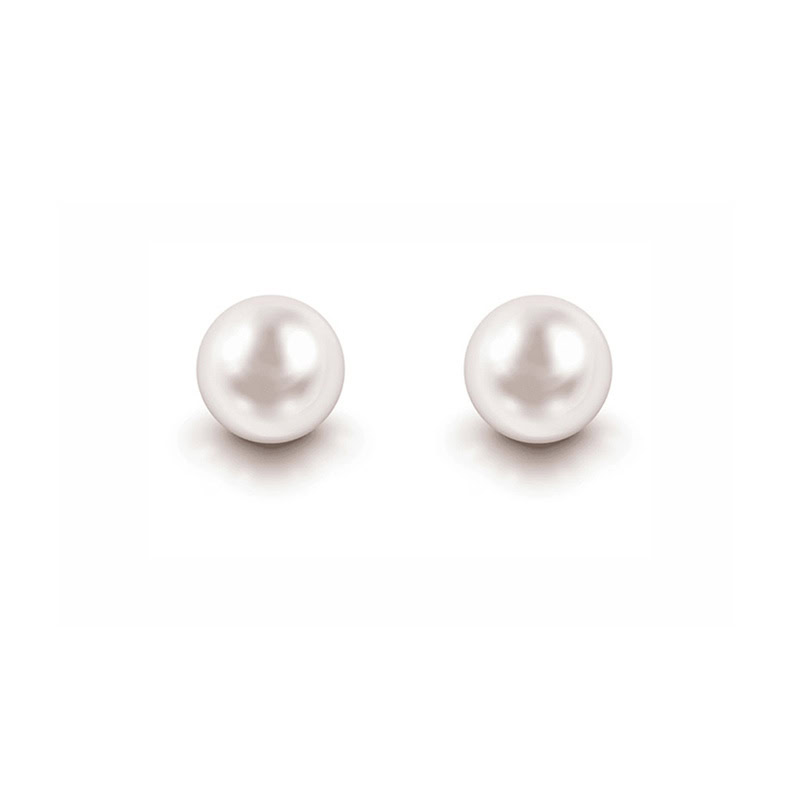
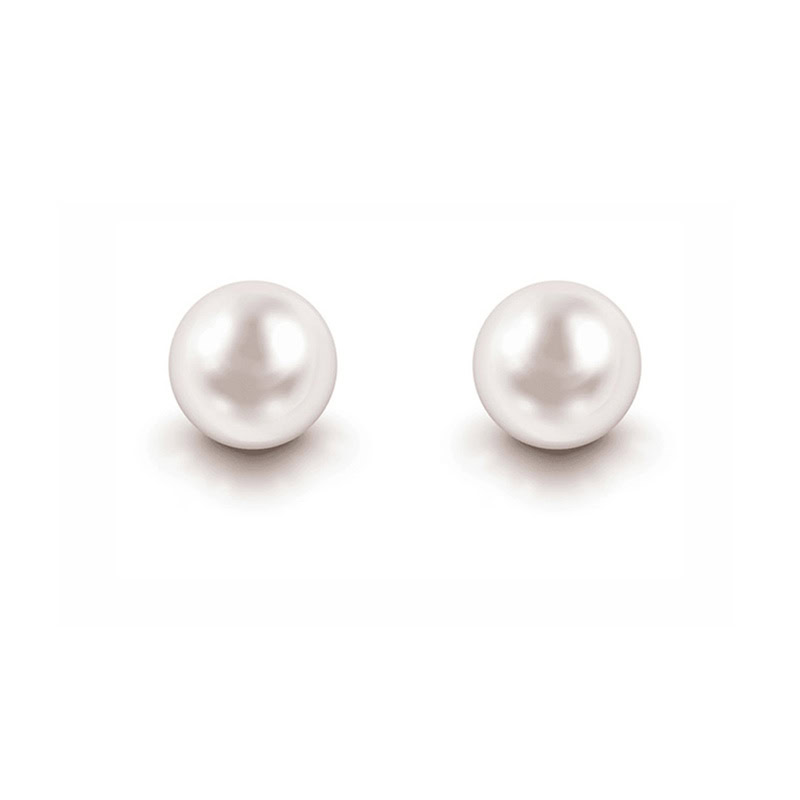
White Akoya pearls represent the quintessential pearl aesthetic that has adorned royalty and celebrities throughout history. Their pristine appearance ranges from pure white to cream, often with subtle overtones that add dimension and character. The remarkable reflective quality of white Akoya pearls makes them exceptionally versatile for DIY projects, complementing virtually any design style from vintage-inspired to contemporary minimalist.
When incorporating white Akoya pearls into handcrafted jewelry, their consistent size and shape allow for perfect symmetry in matched strands, while their brilliant luster creates striking focal points in pendants and earrings. DIY artisans often pair these pearls with sterling silver or white gold findings to enhance their cool, sophisticated appearance.
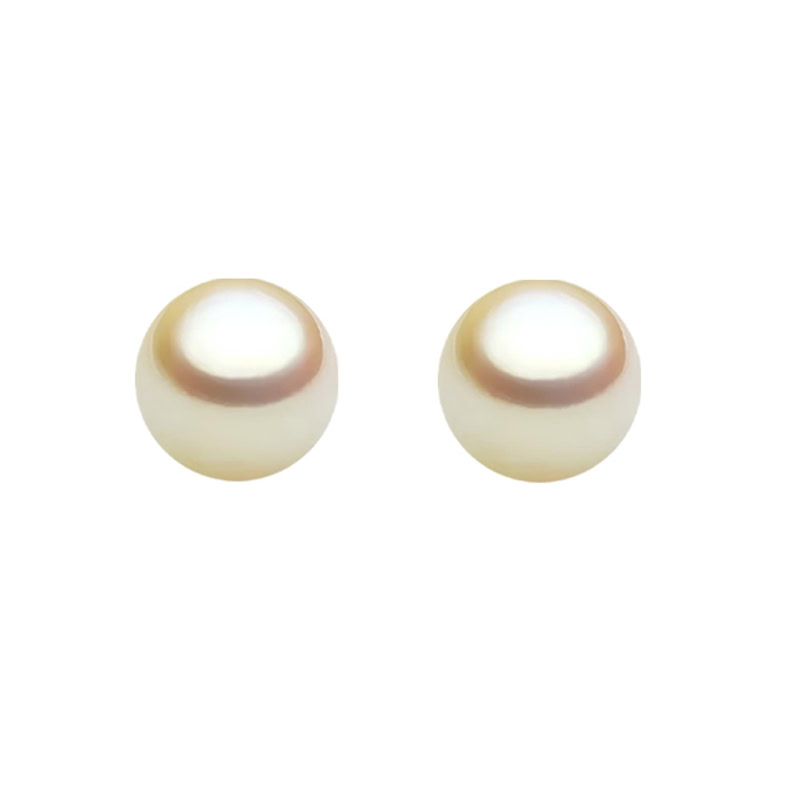
Yellow Akoya Pearls: Warm Elegance
Less common but equally beautiful, yellow Akoya pearls display warm golden hues that range from delicate champagne to rich butter tones. These pearls bring a unique warmth to DIY jewelry creations, offering an alternative to traditional white pearls while maintaining the characteristic Akoya luster.
Yellow Akoya pearls pair magnificently with yellow gold components in DIY projects, creating harmonious designs with a vintage feel. Their sunny disposition makes them particularly effective in autumn-themed collections or for pieces intended to convey warmth and optimism. Creative DIY designers often combine yellow and white Akoya pearls to create dynamic, multi-toned pieces with visual interest and depth.
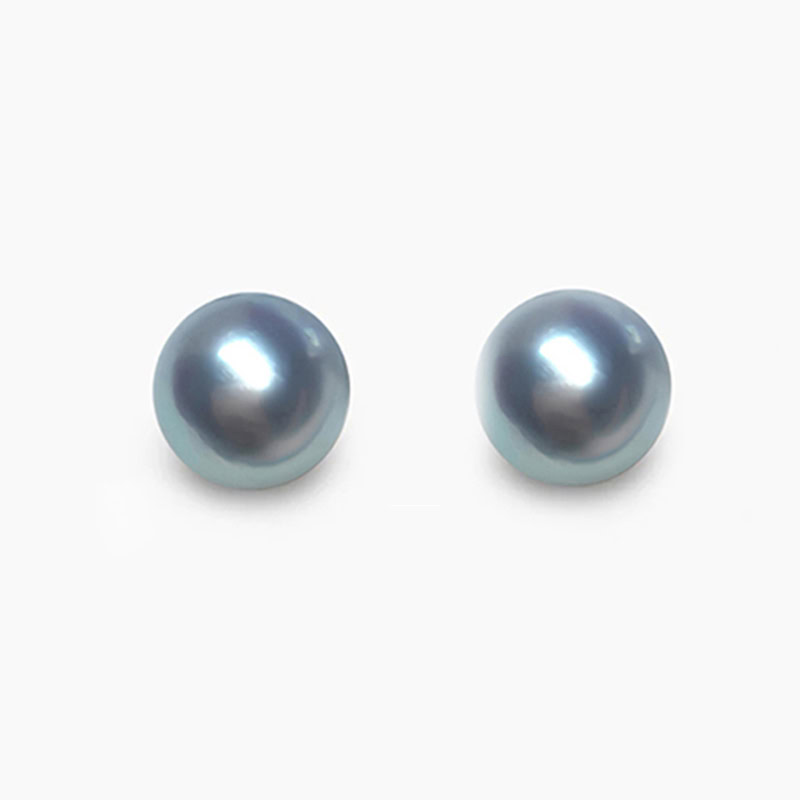
Blue Akoya Pearl: Rare Treasures
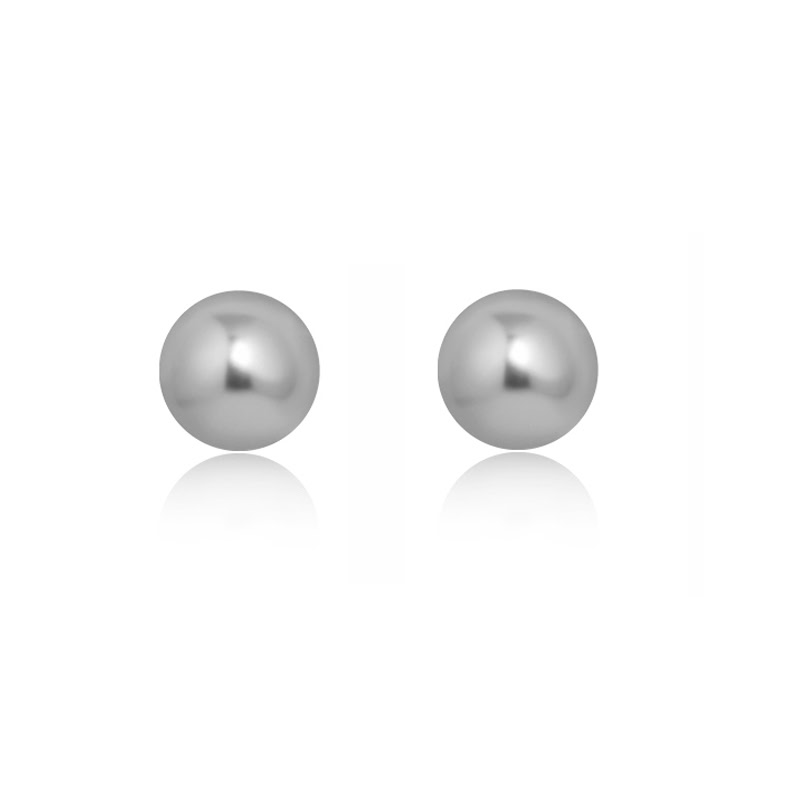
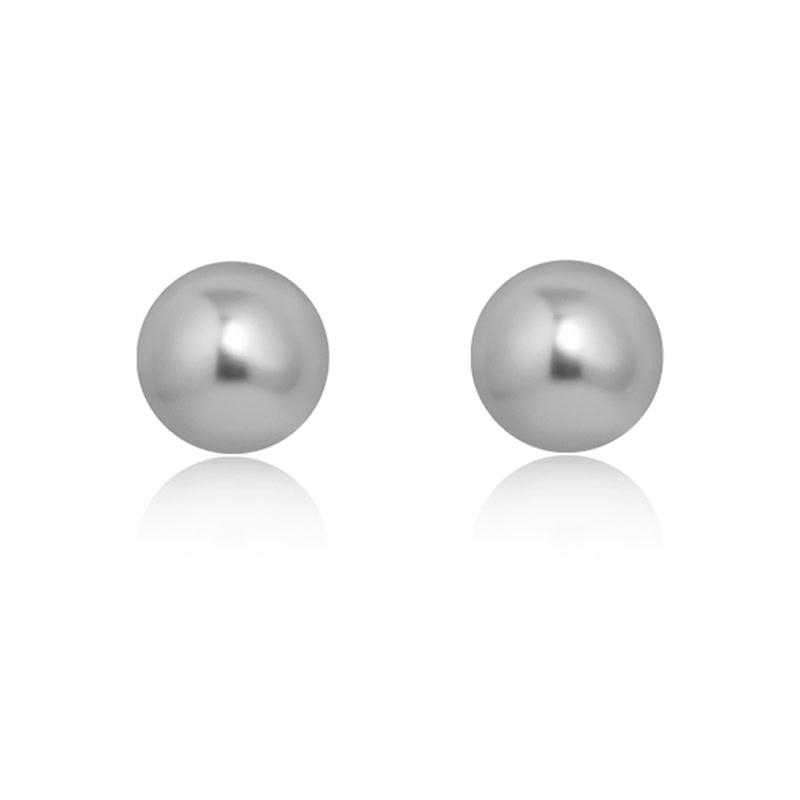
Perhaps the most coveted variety, the blue Akoya pearl represents a rare natural phenomenon where the pearl develops a distinctive blue body color with silver or gray overtones. These uncommon gems add an element of exclusivity to any DIY jewelry project, serving as conversation-starting centerpieces in custom designs.
When working with blue Akoya pearls in DIY jewelry, many artisans choose minimalist settings that showcase the pearl’s unique color. Their cool tones complement platinum, white gold, and silver beautifully, while creating striking contrasts with rose gold elements. Due to their rarity, even a single blue Akoya pearl can transform a simple handmade pendant or ring into an extraordinary treasure.
Grading Akoya Pearls for DIY Projects
Understanding the grading system for Akoya pearls helps DIY jewelry makers select the appropriate quality for their projects and budget. Akoya pearls are typically graded on five essential factors:
1. Luster
The most crucial quality factor, luster refers to the pearl’s reflective brilliance. Akoya pearls are graded on a scale from:
- AAA: Exceptional mirror-like reflection
- AA: Very high luster with strong reflections
- A: Good luster with visible reflections
- B: Fair luster with weak reflections
For statement DIY pieces where the pearl is the focal point, investing in AAA or AA luster pearls makes a significant difference in the final appearance.
2. Surface Quality
This factor evaluates the presence of blemishes, bumps, or marks on the pearl’s surface:
- AAA: 99% flawless with minimal imperfections
- AA: 95% clean with minor imperfections
- A: 80% clean with noticeable imperfections
- B: Visible imperfections throughout
When creating close-up pieces like rings or stud earrings, surface quality becomes particularly important.
3. Shape
Akoya pearls are prized for their round shape, but variations exist:
- AAA: Perfectly round
- AA: Near-round
- A: Off-round
- B: Oval or asymmetrical
For matched strands in DIY necklaces, consistent shape is essential, while slight variations can add character to more organic designs.
4. Color
Color grading considers both body color and overtones:
- AAA: Rich, even color with desirable overtones
- AA: Good color with pleasing overtones
- A: Slightly uneven color
- B: Dull or chalky appearance
When selecting pearls for specific design concepts, color grading helps ensure the finished piece achieves the desired aesthetic.
5. Size
Akoya pearls typically range from 2mm to 9.5mm, with larger sizes commanding higher prices. For DIY projects, choosing the appropriate size depends on the design concept and the wearer’s preferences.
Caring for Akoya Pearls in DIY Jewelry
To ensure the longevity of handcrafted Akoya pearl jewelry, proper care is essential both during the creation process and afterward:
Creation Considerations
When designing with Akoya pearls, avoid exposing them to harsh chemicals found in some jewelry adhesives. Use pearl-safe glues and take care not to scratch their surface with rough tools. Thread pearls with appropriate materials—silk thread for traditional knotting or coated wire for more contemporary designs.
Daily Care
Advise recipients of your DIY pearl creations to:
- Wear pearls after applying perfume, hairspray, and cosmetics
- Wipe pearls with a soft, slightly damp cloth after wearing
- Avoid exposure to chlorine, household cleaners, and acidic substances
- Remove pearl jewelry during activities that might cause impact or abrasion
Storage Techniques
Proper storage preserves the beauty of Akoya pearls:
- Store pearls separately from other jewelry to prevent scratching
- Keep pearls in a soft pouch or lined jewelry box
- Maintain moderate humidity (pearls contain water and can crack if they dry out completely)
- Avoid direct sunlight, which can fade colors over time
- Allow pearls to “breathe” rather than sealing them in airtight containers
Maintenance Schedule
For optimal preservation of DIY Akoya pearl jewelry:
- Restring pearl necklaces every 1-2 years depending on wear frequency
- Have pearl rings and earrings checked annually for secure settings
- Clean professionally once a year using gentle, pearl-specific methods
- Consider reapplying pearl sealant coatings as recommended by professionals
Incorporating Akoya Pearls into DIY Jewelry Designs
The exceptional quality and timeless appeal of Akoya pearls make them ideal for creating heirloom-quality DIY jewelry. Their versatility shines in various techniques:
- Classic Stringing: Creating graduated or uniform strands, with or without knots between pearls
- Wire Wrapping: Securing pearls in artistic metal frameworks for contemporary designs
- Mixed Media: Combining Akoya pearls with gemstones, metals, leather, or fabric for eclectic pieces
- Minimalist Settings: Showcasing single pearls in simple bezels or prongs to highlight their natural beauty
- Custom Bridal Accessories: Designing personalized wedding jewelry that complements specific gowns and themes
Whether crafting a traditional pearl necklace, designing modern earrings, or creating an avant-garde brooch, Akoya pearls bring an unmatched level of sophistication to DIY jewelry projects. Their ability to transition seamlessly from casual to formal settings makes them one of the most versatile materials available to the creative jewelry maker.
By understanding the unique characteristics of white, yellow, and blue Akoya pearls—along with proper grading, care, and design considerations—DIY enthusiasts can create extraordinary pearl jewelry that captures the timeless allure of these oceanic treasures while expressing individual artistic vision.
New Products Arrival