
The Definitive Guide to Black Pearls: History, Value, Types, Care & Where to Buy Authentic Wholesale Black Pearls Online
In the luminous universe of gemstones, few possess a mystique as profound and captivating as the black pearl. Unlike their classic white counterparts that whisper elegance, black pearls command attention with an aura of mystery, power, and exotic sophistication. For centuries, they have been treasured by royalty, coveted by collectors, and celebrated by designers for their unparalleled depth of color and iridescent fire.
But what exactly are black pearls? Are they truly black? How are they formed, and why do their prices vary so dramatically? If you’ve ever searched for terms like “what are Tahitian black pearls,” “how to buy black pearls wholesale,” or “are black pearls natural or dyed,” you’ve come to the right place.
This exhaustive, 20,000-word master guide is your ultimate resource on everything related to black pearls. We will journey from their ancient origins in Polynesian lagoons to the modern pearl farms of French Polynesia, Indonesia, and beyond. We’ll demystify the science behind their creation, decode the complex grading system that determines their value, and explore the full spectrum of their mesmerizing colors—from deep peacock green and aubergine to silver, blue, and yes, true black.
Whether you are a jewelry designer sourcing high-quality black pearls for custom pieces, a boutique owner looking for black pearls bulk buy options with no minimum order, or a curious connoisseur seeking to understand the difference between natural and cultured black pearls, this article is engineered to be your most trusted source of information.
By the end, you’ll not only be an expert on black pearls but also know precisely where to find the finest specimens at the most competitive wholesale prices, shipped directly to your door anywhere in the world. Let’s dive into the enigmatic depths of the black pearl.
Unveiling the Mystery – What Are Black Pearls?
The term “black pearl” immediately conjures images of rare, dark gems from the ocean’s depths. But to understand them fully, we must first clarify a common misconception: not all black pearls are created equal, and not all are even naturally black.
In the professional pearl trade, the term “black pearl” most accurately and exclusively refers to Tahitian cultured pearls. These are saltwater pearls produced by the black-lipped oyster (Pinctada margaritifera), which is native to the pristine lagoons of French Polynesia, particularly around the island of Tahiti—hence the name. It is crucial to note that while Tahiti is the commercial hub, the oysters are farmed across the Tuamotu and Gambier archipelagos.
So, are black pearls real pearls? Absolutely, yes. Tahitian black pearls are 100% real, organic, and cultured pearls. They are formed through the same natural biological process as any other pearl: a mollusk secretes layers of nacre (calcium carbonate) around an irritant to protect itself. The key difference lies in the species of oyster and the unique pigments in its nacre.
However, the market is flooded with other types of pearls that are marketed as “black pearls” but are not genuine Tahitian pearls. These include:
- Freshwater Black Pearls: Typically white or cream freshwater pearls that have been dyed or irradiated to achieve a black color. They lack the natural depth, luster, and overtones of true Tahitian pearls.
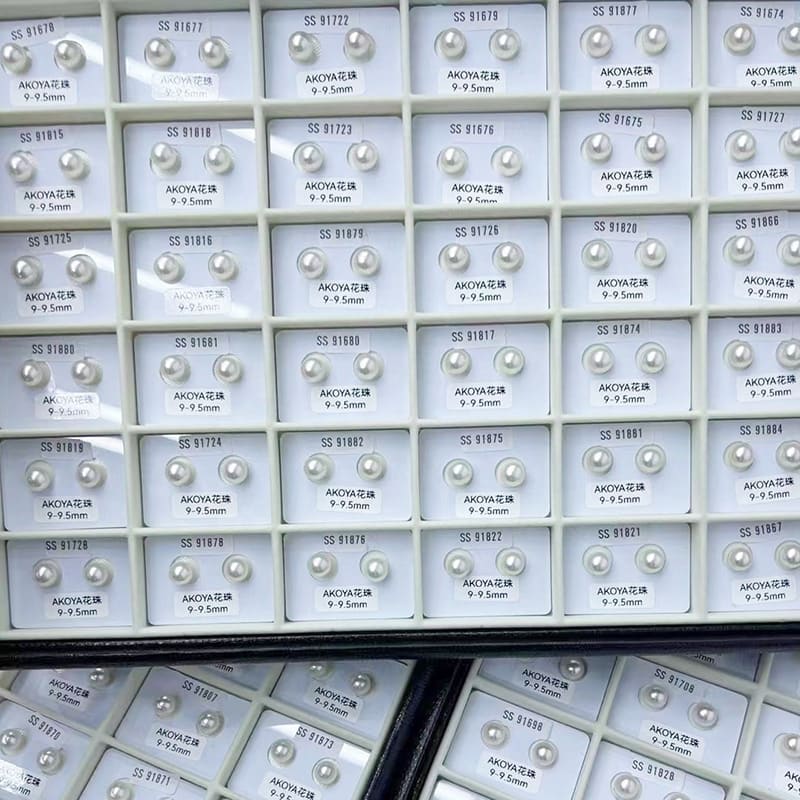
- Akoya Black Pearls: Similarly, these are usually white Akoya pearls that have undergone a color treatment process.
- “Black” South Sea Pearls: While South Sea pearls can have grey or silver hues, a true jet-black South Sea pearl is exceptionally rare and not a standard product.
Therefore, when researching authentic black pearls for sale, it is vital to distinguish between natural-color Tahitian cultured pearls and treated pearls of other varieties. The former are a luxury gemstone with a protected geographical indication (much like Champagne), while the latter are affordable fashion alternatives.
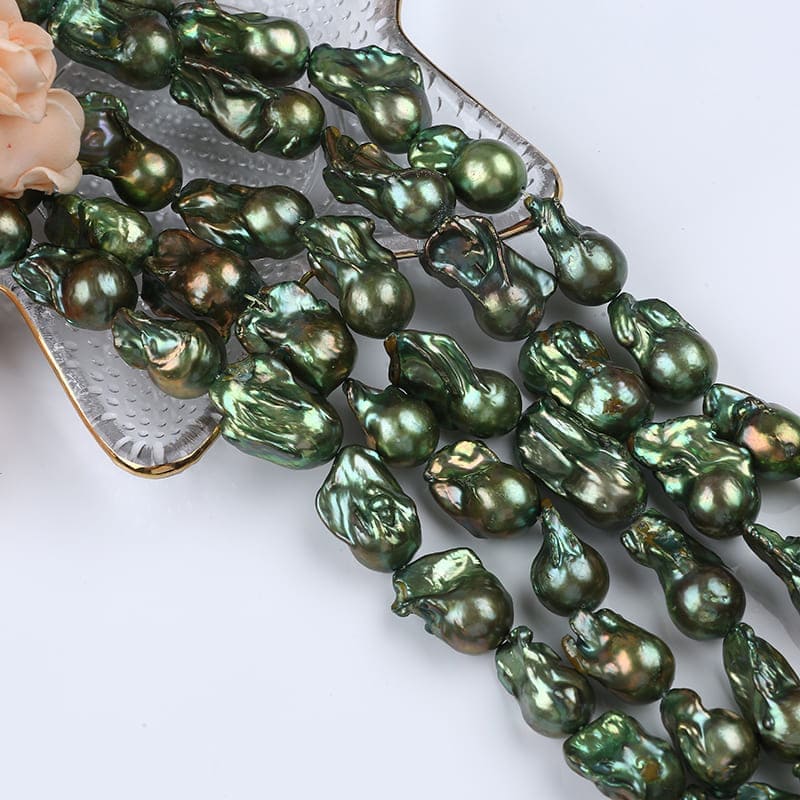
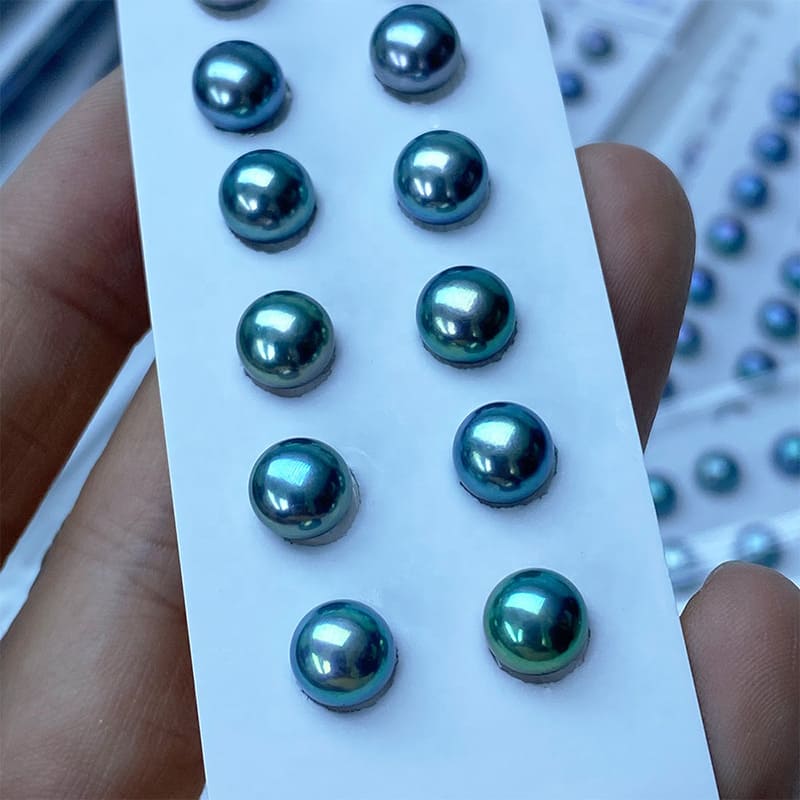
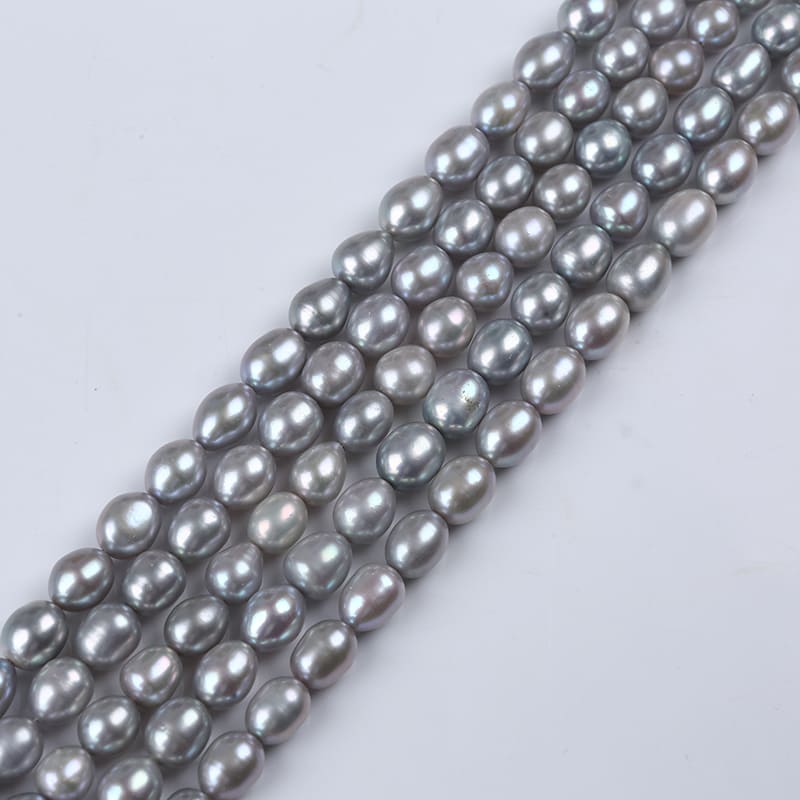
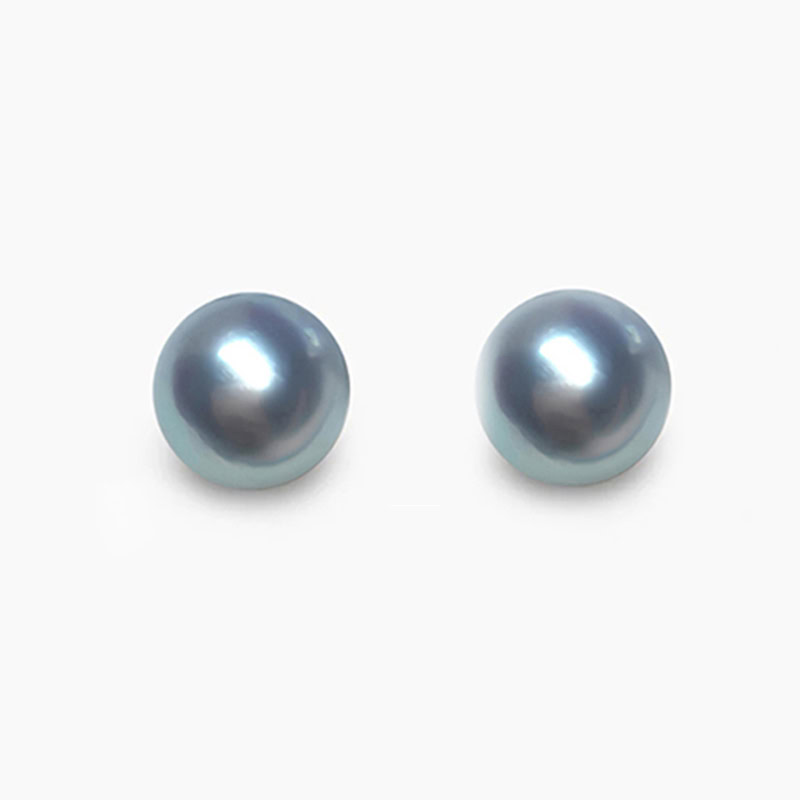
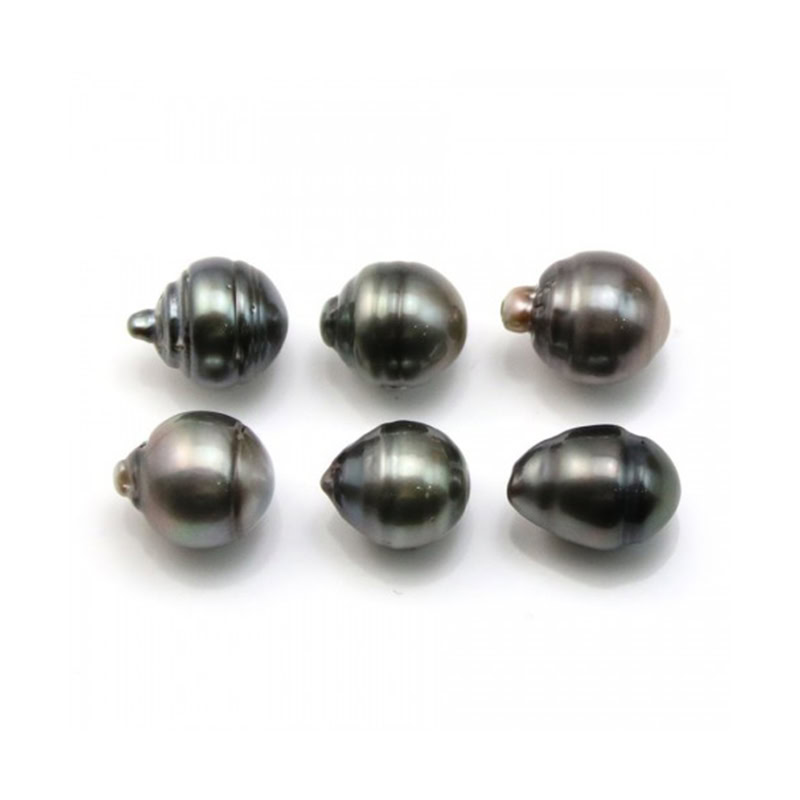
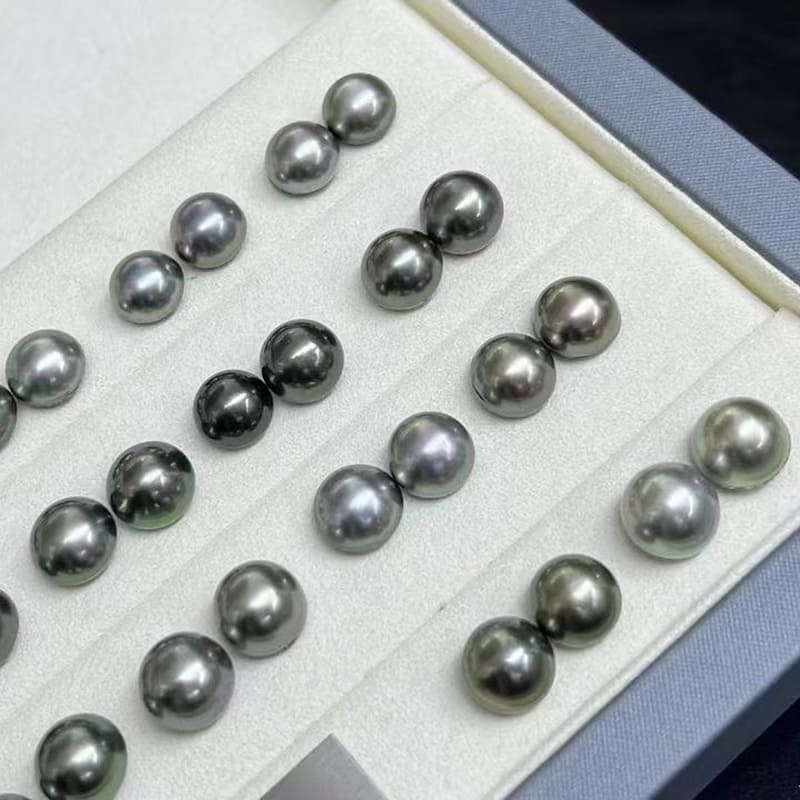
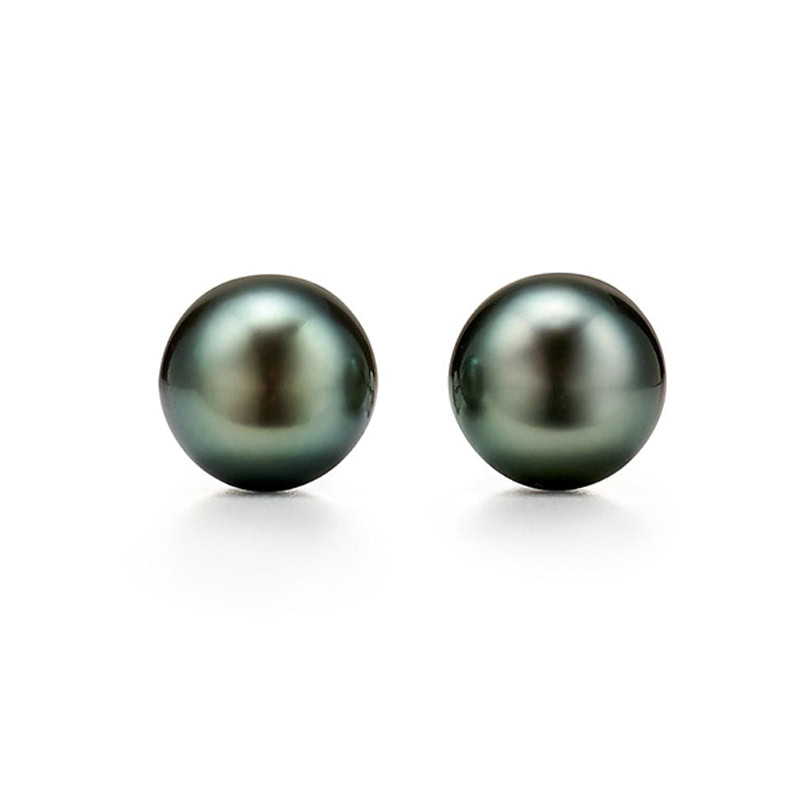
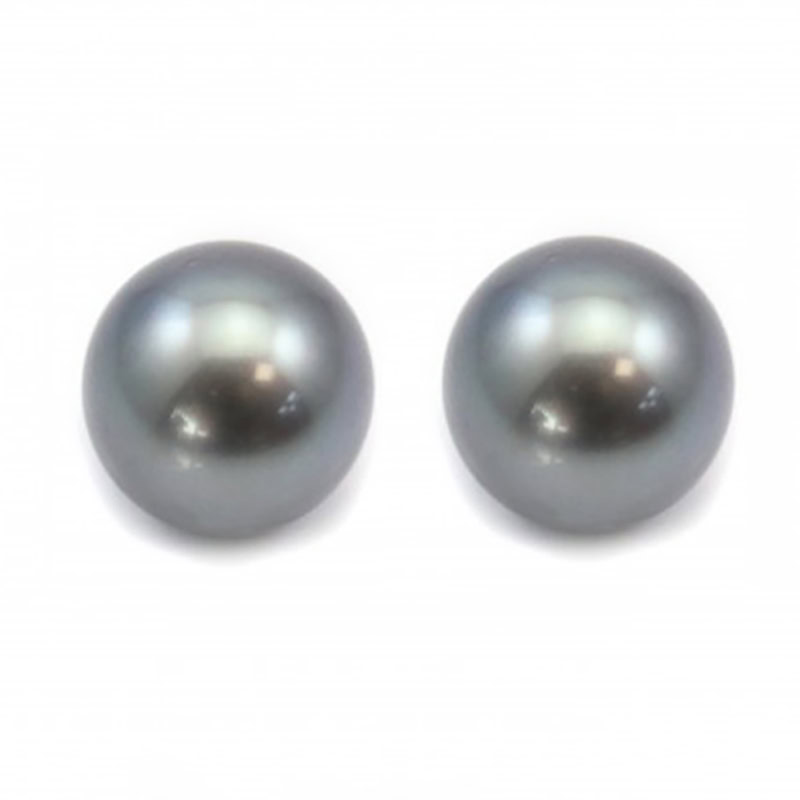
Understanding what makes a black pearl black is key. The Pinctada margaritifera oyster has a dark, almost black mantle tissue and a shell lined with a dark nacre. As it deposits layer upon layer of nacre around the nucleus, it incorporates various trace elements and pigments, resulting in a stunning palette of body colors and overtones. True, solid black is actually quite rare; the most prized colors are the vibrant peacock green, aubergine (eggplant), and deep blue, which shimmer with an inner fire known as “orient.”
In essence, a genuine black pearl is a cultured pearl from the black-lipped oyster of French Polynesia, celebrated not just for its dark base color but for its spectacular play of iridescent overtones, making it one of the most unique and desirable gems in the world.
A Legacy from the Lagoons – The Rich History of Black Pearls
The story of the black pearl is deeply intertwined with the culture, mythology, and economy of the South Pacific. Long before European explorers arrived, the indigenous people of Polynesia held the black-lipped oyster in high regard. They would occasionally find a natural black pearl inside its shell and consider it a sacred gift from the gods, a symbol of wealth, power, and protection.
For centuries, these natural pearls were incredibly rare. It was estimated that only one in 10,000 oysters would produce a natural pearl, and even fewer would be of a desirable size and shape. This extreme rarity made them objects of legend and immense value among Polynesian chiefs and nobility.
The modern era of black pearls began in the mid-20th century. While Japanese innovators had perfected the culturing of Akoya pearls, the cultivation of the much larger and more temperamental Pinctada margaritifera proved to be a significant challenge. Early attempts in the 1960s were met with high oyster mortality rates and poor-quality pearls.
The breakthrough came through a collaboration between a Japanese pearl technician and French Polynesian entrepreneurs. By refining the nucleation technique and understanding the specific environmental needs of the black-lipped oyster, they were able to successfully produce the first commercially viable crop of cultured black pearls in the late 1960s and early 1970s.
This innovation transformed French Polynesia. What was once a remote collection of islands with a limited economic base became the epicenter of a global luxury industry. The government of French Polynesia moved quickly to protect its new treasure, establishing strict quality controls and regulations for the use of the term “Tahitian Pearl.” Today, for a pearl to be legally sold as a “Tahitian Pearl,” it must be cultivated in French Polynesia and meet specific standards for nacre thickness and quality.
The rise of the black pearl coincided with a shift in global fashion. In the 1980s and 1990s, as consumers sought bolder and more exotic alternatives to traditional white pearls, the mysterious allure of the black pearl captured the imagination of designers and celebrities alike. They became a symbol of modern, confident femininity.
Today, the history of Tahitian black pearl farming continues to evolve. Sustainable practices are paramount, as farmers work to maintain the health of the delicate lagoon ecosystems that are essential to the oysters’ survival. The legacy of the black pearl is not just a story of commerce, but of a harmonious relationship between humans and the ocean, turning a natural wonder into a globally celebrated gem.
Nature’s Alchemy – How Are Black Pearls Formed?
The creation of a black pearl is a slow, intricate, and awe-inspiring process that blends human expertise with the raw power of nature. Understanding how Tahitian black pearls are cultured reveals why they are so special and valuable.
Step 1: The Perfect Host – The Black-Lipped Oyster The journey begins with the Pinctada margaritifera, a large, resilient oyster that thrives in the warm, clear, nutrient-rich waters of French Polynesian lagoons. These oysters can grow up to 30 cm (12 inches) in diameter and live for over 30 years. Their defining feature is the dark, iridescent black edge (or “lip”) on their shell, which gives them their name.
Step 2: The Delicate Art of Nucleation After about two to three years of growth, the oysters are ready for the nucleation process. This is a highly skilled surgical procedure performed by a trained technician. Unlike freshwater pearls, which are often tissue-nucleated, a Tahitian black pearl requires a round bead nucleus, typically made from a piece of Mississippi River mussel shell, and a small piece of donor mantle tissue from another oyster.
The technician makes a small incision in the oyster’s gonad and carefully inserts the bead nucleus along with the mantle tissue graft. The mantle tissue is crucial because its cells will multiply and form a “pearl sac” around the nucleus, which is responsible for secreting the nacre.
Step 3: The Patient Wait – Nacre Deposition The nucleated oyster is then placed back into the lagoon in a protective panel or cage and left to rest for a period of 18 to 24 months, sometimes even longer for higher quality. During this time, the oyster’s defense mechanism kicks in. To protect itself from the foreign object, its mantle tissue begins to secrete layer upon layer of nacre over the nucleus.
It is during this deposition process that the magic happens. The Pinctada margaritifera’s unique biology causes it to incorporate various organic compounds and trace metals into its nacre. This results in the signature dark body colors and the breathtaking array of overtones—peacock green, aubergine, blue, silver, pistachio, and charcoal—that make each black pearl a one-of-a-kind masterpiece. The quality of the water, the oyster’s diet, and even the season can influence the final color.
Step 4: Harvest and Sorting After the growth period, the oysters are retrieved, and the pearls are carefully extracted. This is a moment of truth for the farmer. Not every oyster produces a pearl, and not every pearl is of marketable quality. The harvested pearls are then meticulously cleaned, sorted, and graded based on a rigorous set of criteria including luster, surface quality, shape, color, and nacre thickness.
This entire process, from selecting the oyster to harvesting the pearl, is a testament to patience and respect for nature. It takes years of care to produce a single strand of high-quality black pearls, which is a key factor in their enduring value and allure.
The Language of Quality – Understanding Black Pearl Grading Factors
To navigate the market for black pearls confidently, whether you’re a buyer or a seller, you must understand the five primary quality factors that determine their value. These are the same factors used by professional graders and jewelers worldwide.
1. Luster: The Window to the Soul Luster is the single most important quality factor. It refers to the sharpness and intensity of the light reflections on the pearl’s surface. A high-luster black pearl will have a mirror-like, reflective surface where you can clearly see your reflection. This is a direct result of a thick, well-formed nacre layer with tightly packed, aligned crystalline platelets. A low-luster pearl will appear chalky, dull, or hazy. When evaluating how to judge the quality of black pearls, always start with the luster.
2. Surface Quality: The Map of Its Journey No pearl is perfectly smooth. The surface of a black pearl may have minor blemishes such as spots, wrinkles, pinpricks, or abrasions. These are natural birthmarks that tell the story of its formation. The grading scale typically ranges from Clean (virtually flawless) to Heavily Blemished. For a pearl to be considered high-grade, its surface should be mostly clean, especially in the central viewing area. Minor blemishes near the drill hole or on the side are often acceptable and can offer good value.
3. Shape: From Perfect Round to Creative Baroque While the classic round shape is the most valuable and sought-after, black pearls come in a fascinating variety of shapes:
- Round: The rarest and most expensive.
- Near-Round: Slightly off-round, offering excellent value.
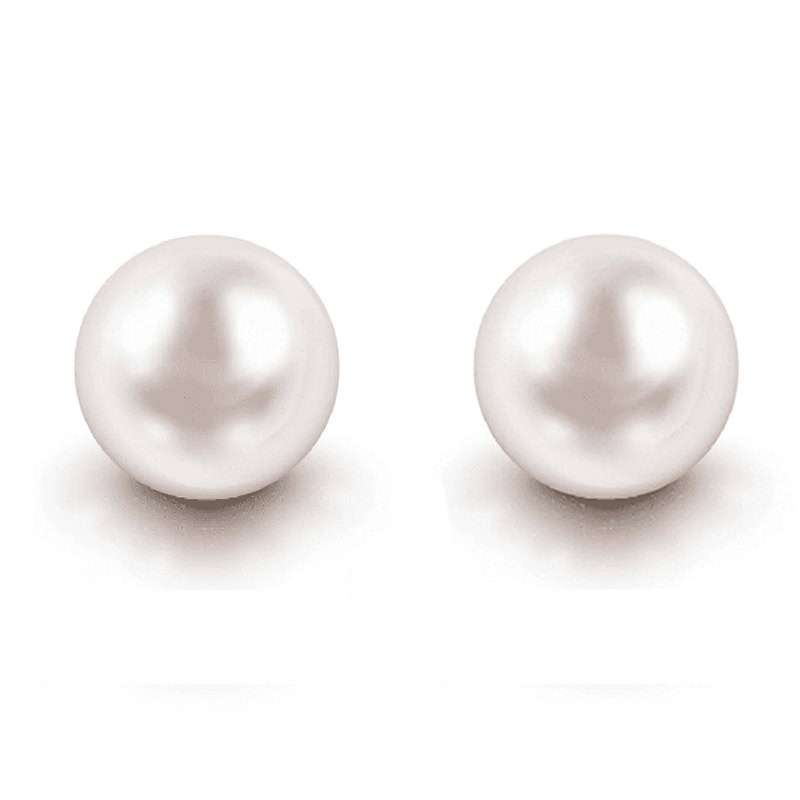
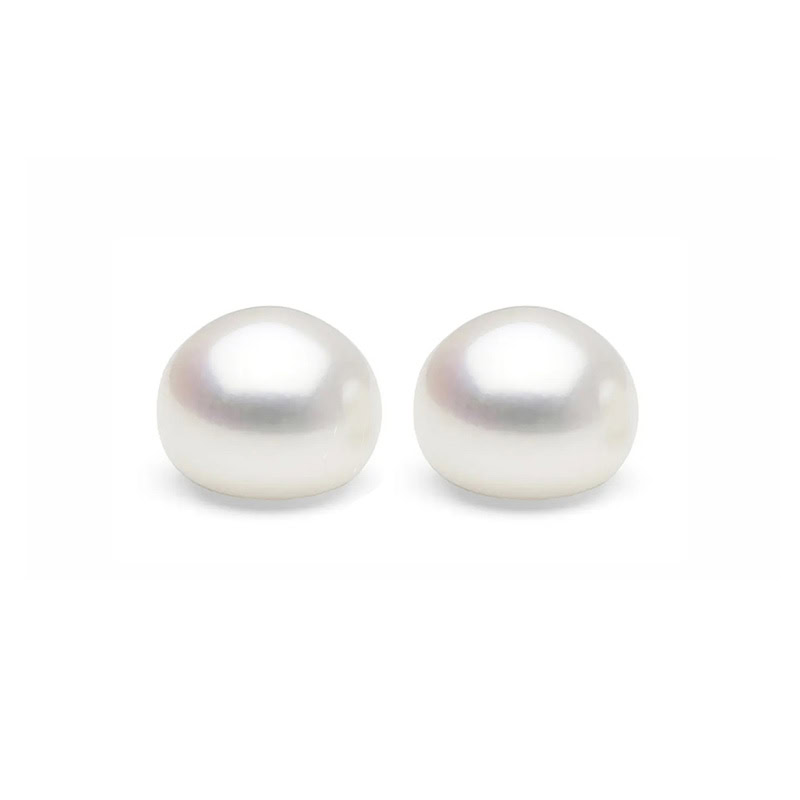
- Oval/Button: Symmetrical and popular for pendants and earrings.
- Drop: Teardrop-shaped, ideal for elegant earrings.
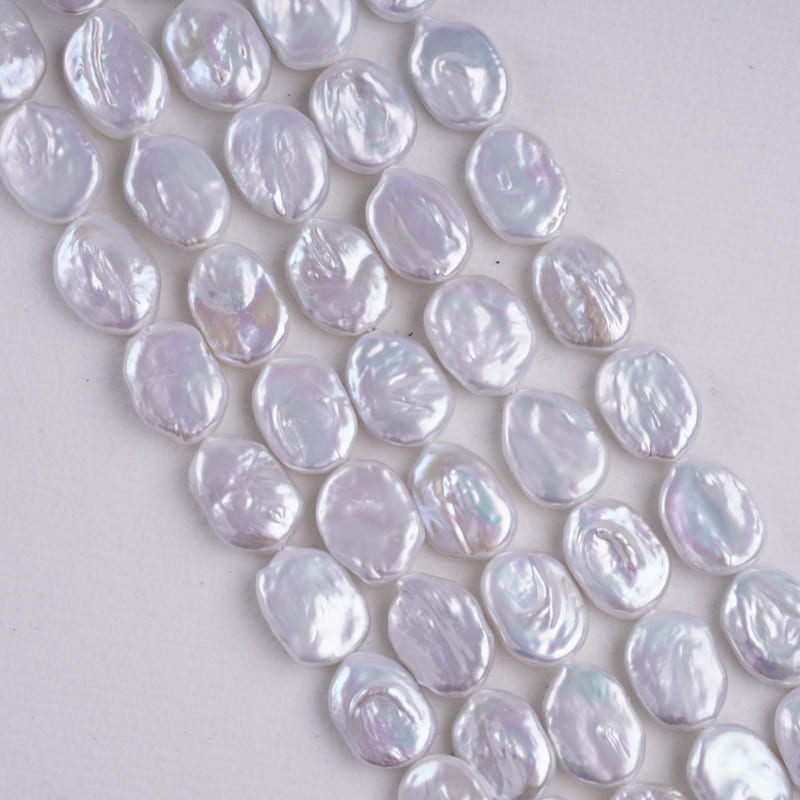
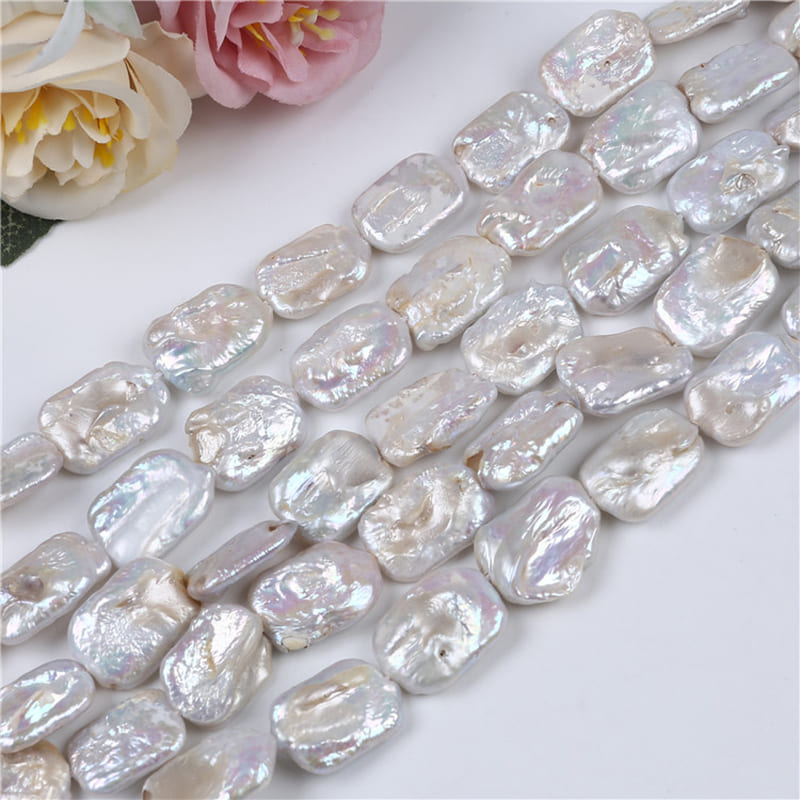
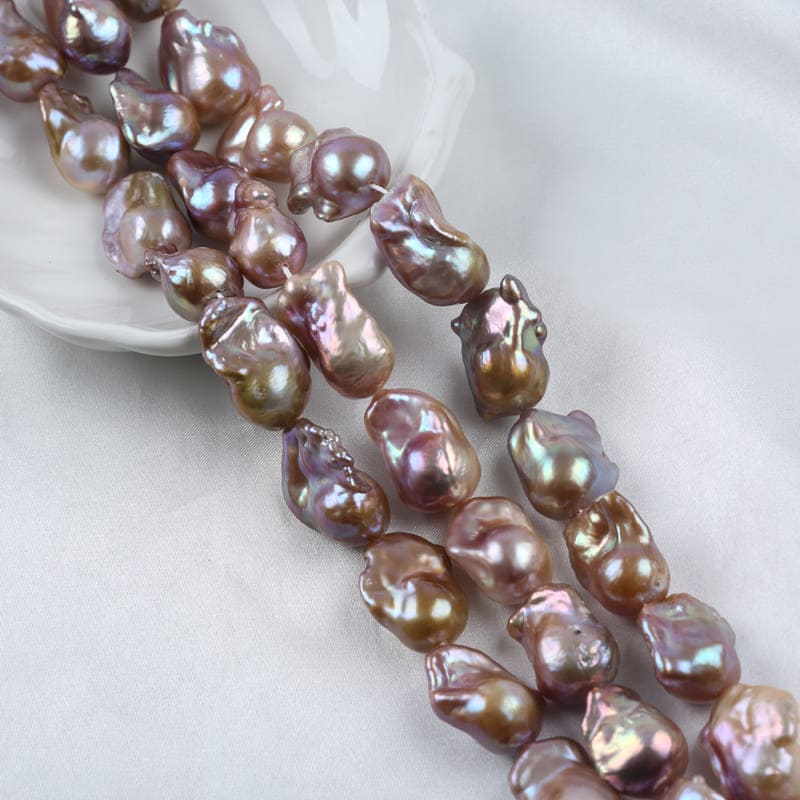
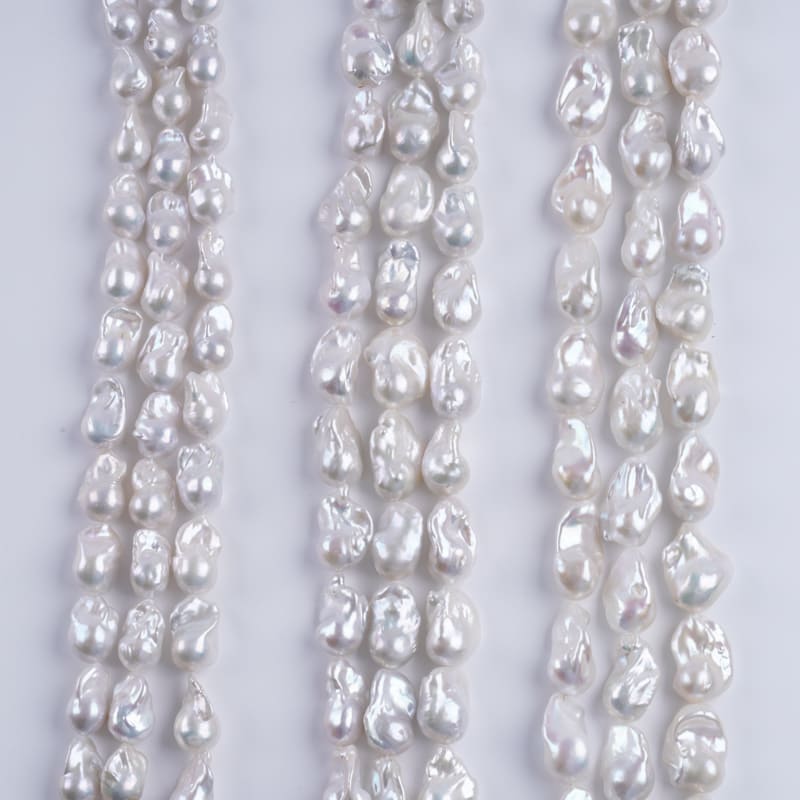
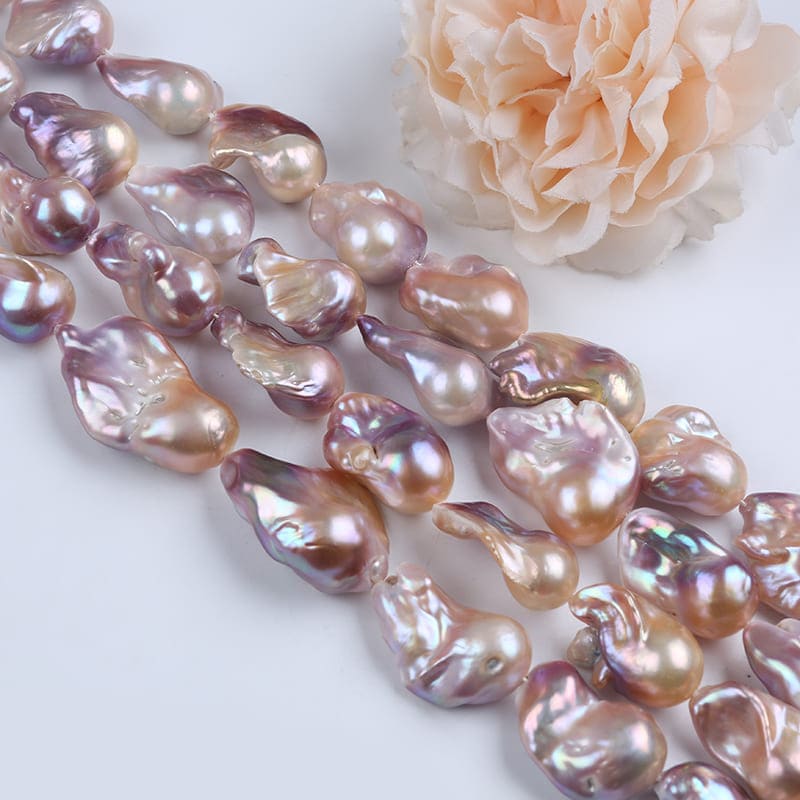
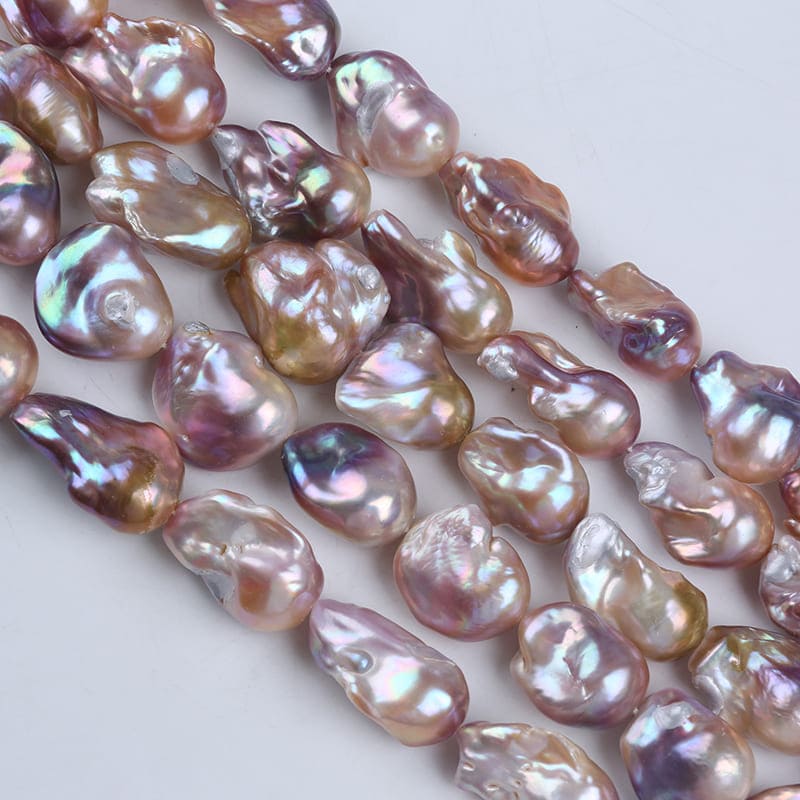
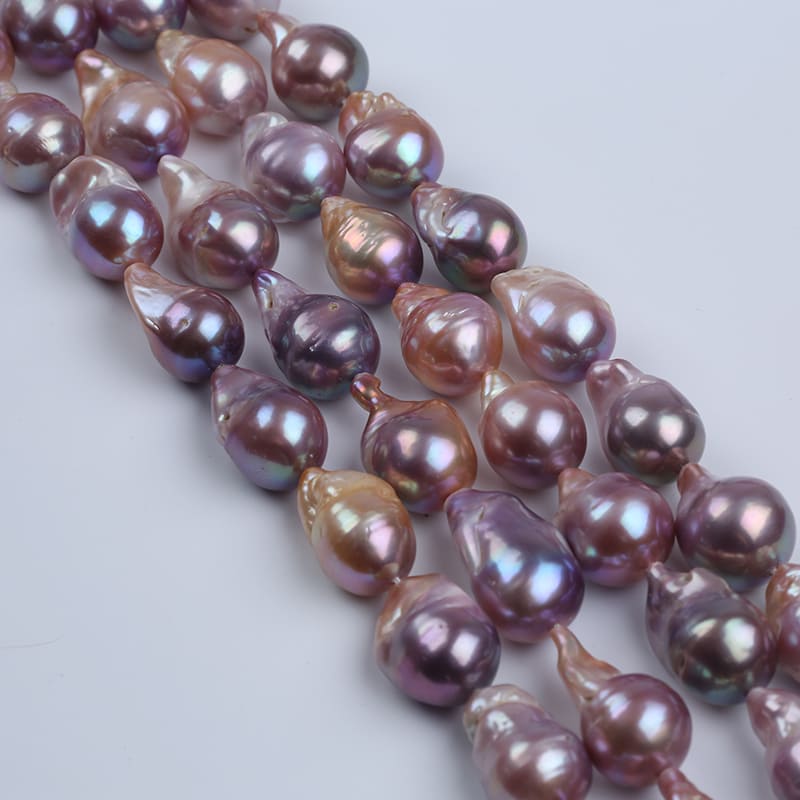
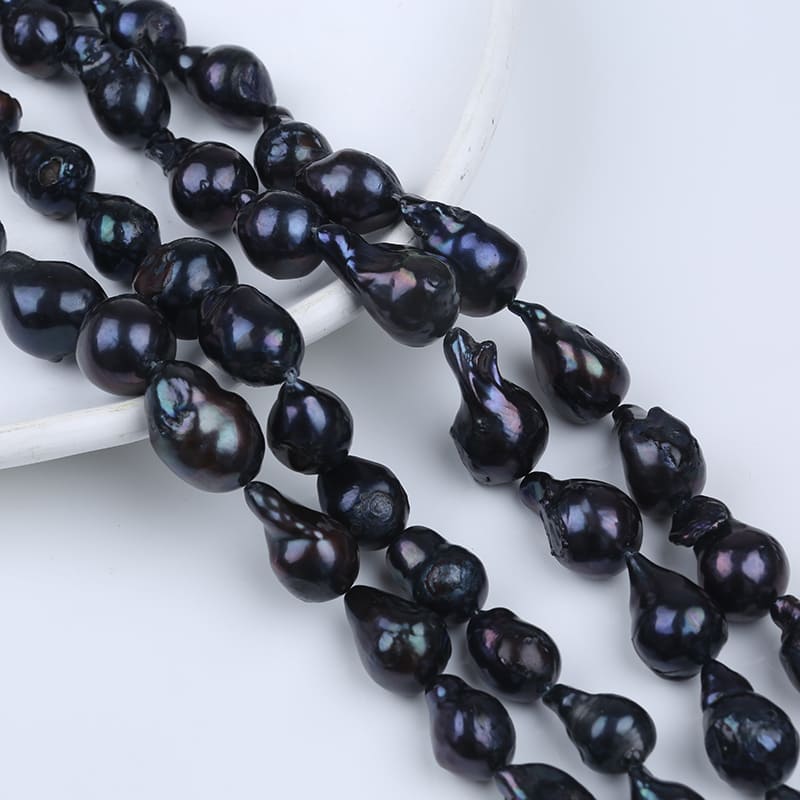
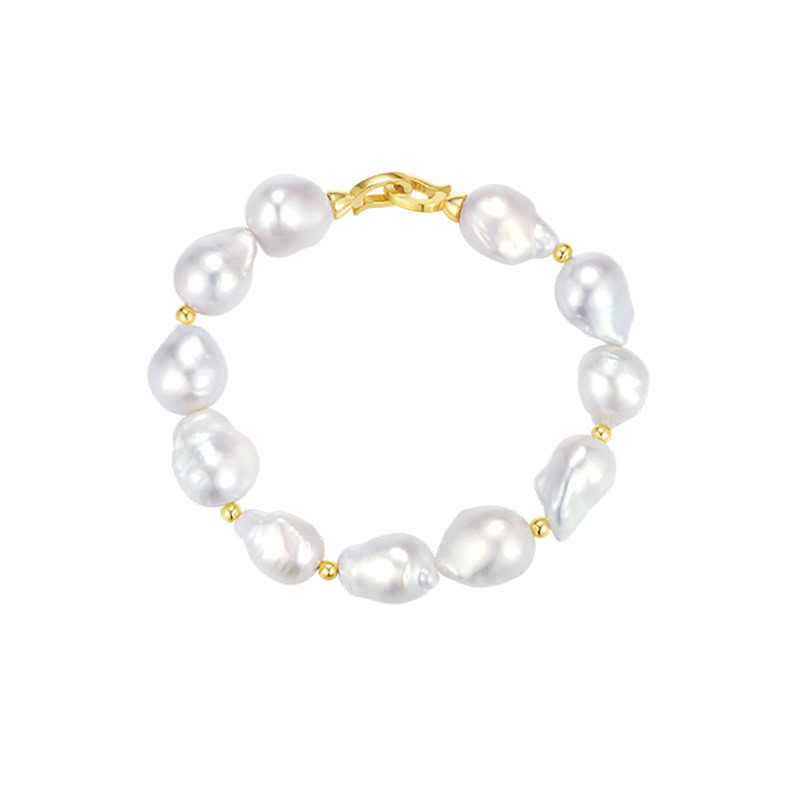
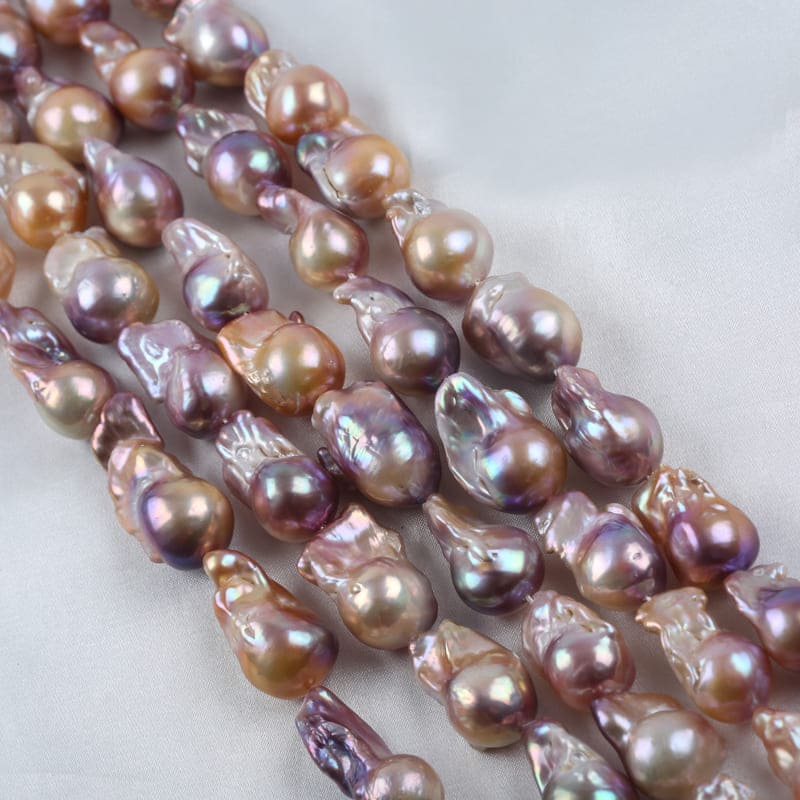
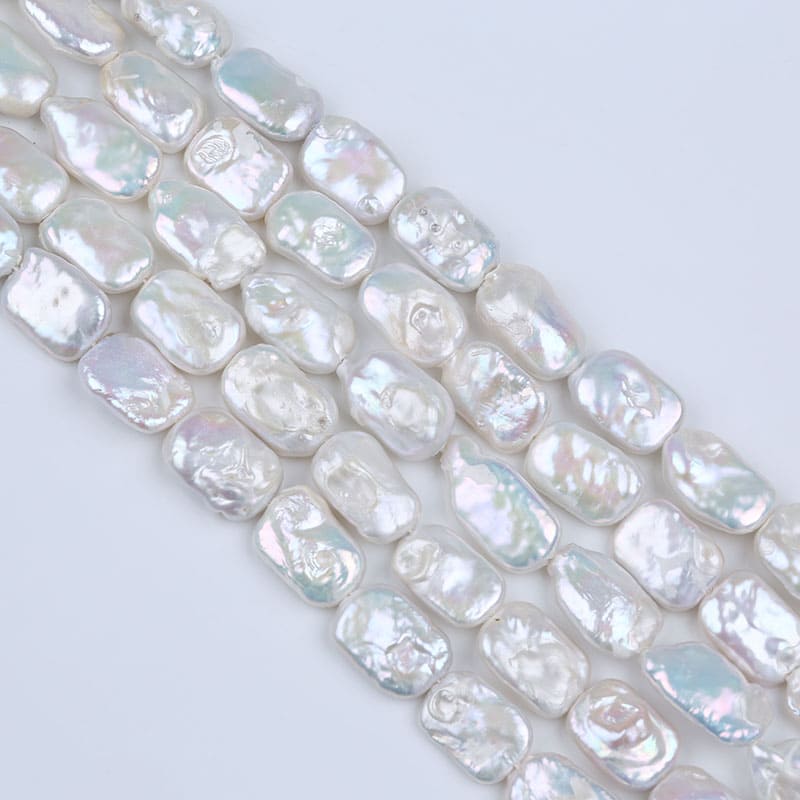
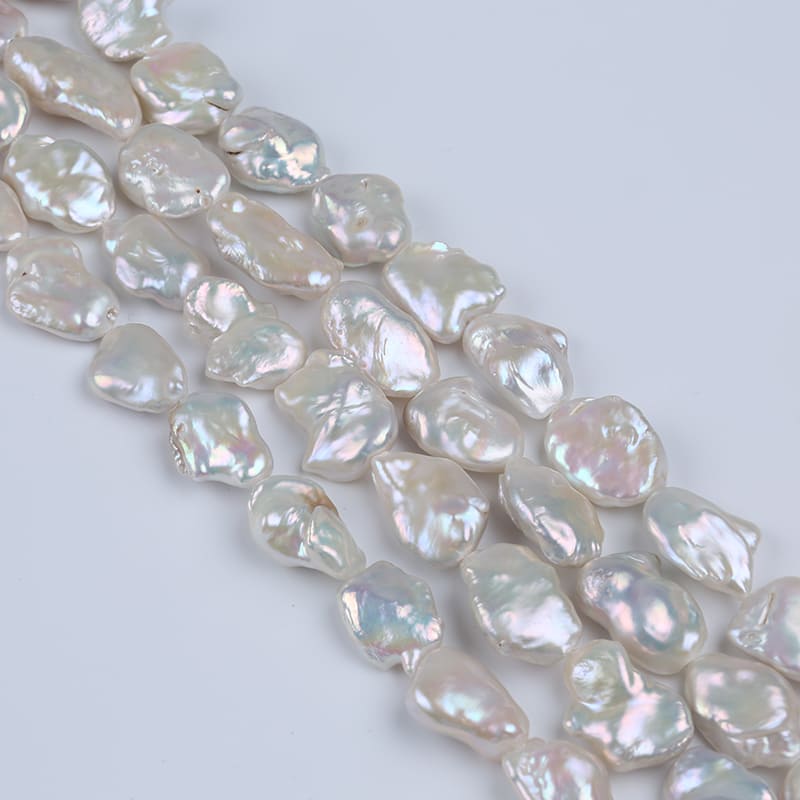
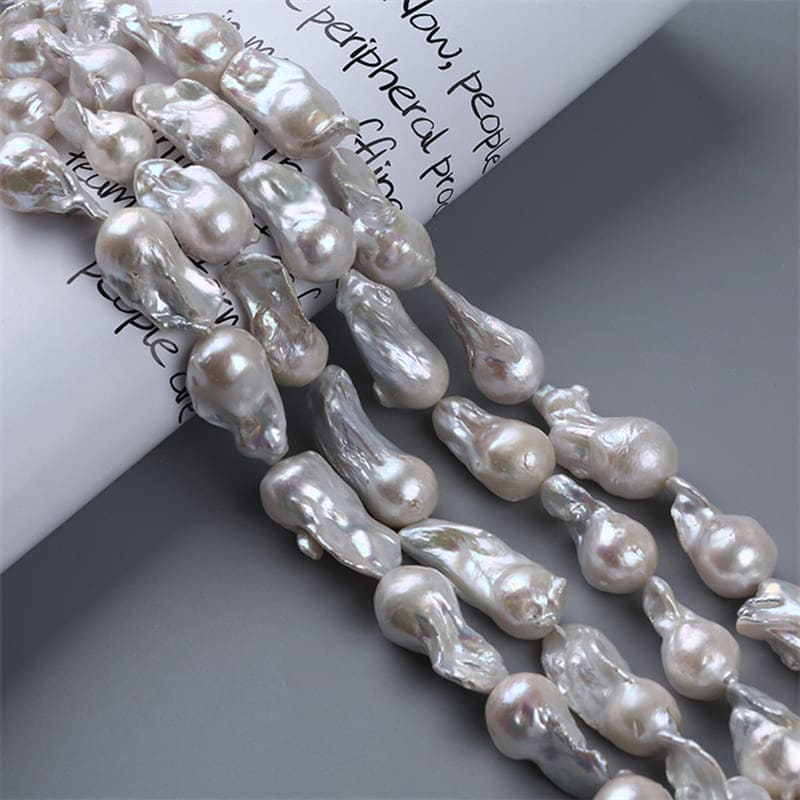
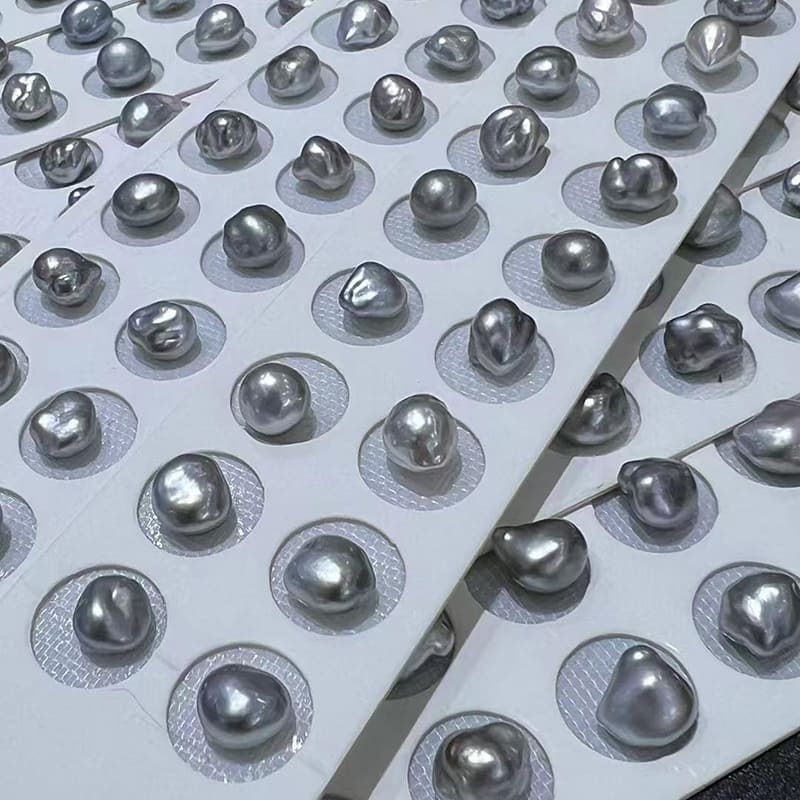
- Baroque: Irregular and free-form, prized for their unique, artistic character. The choice of shape is often a matter of personal style and design intent.
4. Color: The Heart of the Black Pearl’s Magic This is where black pearls truly shine. Their value is not in being simply “black” but in the complexity and beauty of their color.
- Body Color: The primary, overall color. Common body colors include black, grey, dark green, aubergine, and blue.
- Overtone: A translucent secondary color that appears to float over the body color. A peacock green overtone on a dark grey body is the most famous and valuable combination.
- Orient: The rainbow-like iridescence caused by the diffraction of light through the many thin layers of nacre. A strong orient adds incredible depth and life to the pearl. When searching for the most valuable black pearl colors, look for strong, vivid overtones like peacock, aubergine, or cobalt blue.
5. Size: A Matter of Presence Tahitian black pearls are naturally large, typically ranging from 8mm to 16mm, with some exceptional specimens reaching 18mm or more. Larger pearls are rarer and more valuable, but size should always be considered in conjunction with the other quality factors. A large, low-quality pearl is worth far less than a smaller, high-luster, clean pearl.
Mastering these five factors empowers you to make informed decisions and find black pearls that perfectly match your aesthetic and budget.
Beyond Tahiti – Different Types of Black Pearls Explained
As mentioned earlier, the term “black pearl” is often used loosely in the market. To be a savvy consumer, it’s essential to understand the different types and their origins.
1. Tahitian Cultured Pearls (The Gold Standard)
- Origin: French Polynesia.
- Oyster: Pinctada margaritifera (black-lipped oyster).
- Color: Natural, untreated colors with a vast range of body colors and overtones.
- Nacre: Thick, high-quality, durable.
- Value: High. A luxury gemstone.
- Key Identifier: Sold with a certificate of authenticity from French Polynesia; natural color that shows depth and orient under light.
2. Dyed Freshwater Black Pearls
- Origin: Primarily China.
- Mussel: Hyriopsis cumingii.
- Color: Achieved through dyeing or irradiation. The color is uniform and sits on the surface; it lacks the depth, overtone, and orient of a Tahitian pearl. Often has a slightly metallic or plastic sheen.
- Nacre: Solid nacre (as they are tissue-nucleated), but the color is artificial.
- Value: Low to moderate. An affordable fashion accessory.
- Key Identifier: Very inexpensive; color looks flat and one-dimensional; often perfectly round and uniform in a strand.
3. Dyed Akoya Black Pearls
- Origin: Japan, China.
- Oyster: Pinctada fucata martensii.
- Color: White Akoya pearls are treated to turn black. They may retain their high luster but lack the complex overtones of Tahitian pearls.
- Structure: Bead-nucleated, so they are not solid nacre.
- Value: Moderate.
- Key Identifier: Smaller size (usually under 9mm); very high luster but simple black color without green/blue/purple flashes.
4. Black South Sea Pearls (Extremely Rare)
- Origin: Australia, Indonesia, Philippines.
- Oyster: Pinctada maxima (silver or gold-lipped).
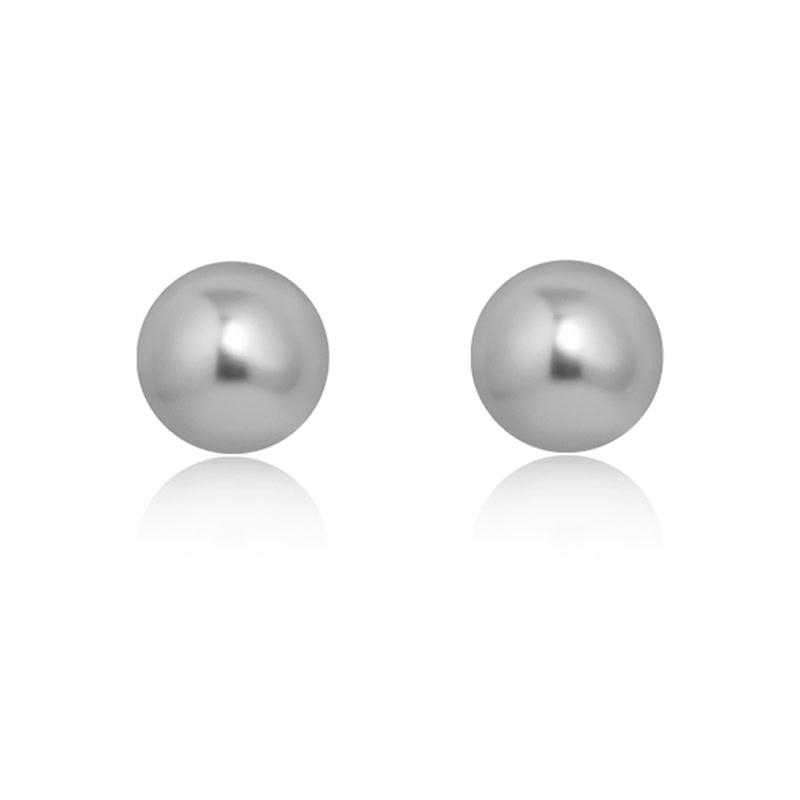
- Color: Naturally occurring grey, silver, or charcoal hues are possible, but a true, deep black is exceptionally rare and not a standard product.
- Value: Very high, if authentic and natural.
- Key Identifier: Very large size (often 12mm+); soft, satiny luster; natural grey tones rather than a stark black.
When you are looking for genuine black pearls vs. fake black pearls, always ask about the origin and whether the color is natural or treated. Reputable sellers will be transparent about this information.
Caring for Your Dark Treasure – Black Pearl Jewelry Care Guide
Black pearls, like all pearls, are organic gems and require special care to maintain their beauty for generations. Their nacre is softer than most gemstones and can be damaged by chemicals, acids, and abrasives.
Essential Do’s:
- Last On, First Off: Always put your black pearl jewelry on after you have finished applying perfume, hairspray, and cosmetics. Take it off before going to bed or engaging in any physical activity.
- Wipe After Every Wear: Use a soft, clean, damp cloth (like a microfiber cloth) to gently wipe your pearls to remove oils and dirt. Let them air dry completely before storing.
- Store Separately: Keep your black pearl jewelry in a soft pouch or a separate compartment in your jewelry box to prevent scratches from harder gems or metals.
- Restring Periodically: If you own a pearl necklace or bracelet, have it restrung by a professional every 1-2 years, or sooner if the silk thread shows signs of wear. Knotting between each pearl prevents them from rubbing and protects them if the strand breaks.
Critical Don’ts:
- Never Use Harsh Cleaners: Avoid ultrasonic cleaners, steam cleaners, baking soda, toothpaste, or any abrasive or acidic household cleaners. These can permanently etch the nacre.
- Avoid Contact with Chemicals: Keep your pearls away from chlorine (pools, hot tubs), salt water, and vinegar.
- Don’t Store in Airtight Plastic: Pearls need to breathe. Storing them in a sealed plastic bag can cause them to dry out and crack.
- Don’t Hang Necklaces: Hanging a pearl necklace can stretch the thread and distort the shape of the pearls over time. Always lay them flat.
By following these simple guidelines, your black pearl jewelry will retain its mysterious luster and structural integrity for a lifetime.
A Spectrum of Style – Popular Black Pearl Jewelry Designs
The dramatic beauty of black pearls makes them incredibly versatile in jewelry design. They can be the centerpiece of a bold statement piece or add a subtle touch of intrigue to a minimalist design.
- Classic Strands: A single strand of round or near-round Tahitian pearls is the ultimate symbol of luxury and sophistication. It pairs beautifully with both little black dresses and crisp white shirts.
- Statement Earrings: Large drop or baroque black pearl earrings are a favorite on red carpets and at formal events. They frame the face with an air of confidence and mystery.
- Modern Rings: A single black pearl set in a simple bezel or surrounded by diamonds creates a stunning and contemporary ring.
- Boho and Artisan Pieces: Designers love to pair baroque black pearls with raw gold, leather cords, or other organic materials for a unique, earthy-chic look.
- Bridal Jewelry: For the modern bride who wants to stand out, black pearl earrings or a pendant offer a beautiful alternative to traditional white pearls.
For jewelry designers buying black pearls in bulk, the range of shapes, sizes, and colors provides an endless source of creative inspiration.
Navigating the Market – Black Pearl Pricing and Value
The price of black pearls can range from a few dollars for a dyed freshwater pearl to tens of thousands of dollars for a perfect strand of AAA-grade Tahitian pearls. The price is determined by the quality factors discussed in Chapter 4, as well as market demand and origin.
When you are looking for wholesale black pearls for jewelry business, it’s important to work with a supplier who offers transparency in grading and pricing. Buying directly from a wholesaler, rather than a retailer, allows you to get the best possible margin for your business.
Your Direct Source – Buy Premium Wholesale Black Pearls from Pearls from China
If you are searching for a reliable, high-quality, and cost-effective source for black pearls wholesale, look no further than Pearls from China.
We are a leading online supplier specializing in connecting global customers directly with the finest pearl producers. Our collection of authentic, high-quality black pearls includes a stunning array of Tahitian-style cultured pearls in every grade, size, and color—from the coveted peacock green and aubergine to classic black and silver.
Why our customers choose us for their black pearl wholesale needs:
- Exceptional Quality: Every black pearl in our inventory is hand-selected for its luster, color, and nacre quality. We source directly from trusted farms to ensure authenticity and value.
- True Wholesale Pricing: By eliminating middlemen, we offer the most competitive bulk buy black pearls prices on the market, giving your business a significant advantage.
- No Minimum Order Quantity (MOQ): We believe in flexibility. Whether you need a single, perfect pearl for a custom engagement ring or a thousand for your new jewelry line, we welcome your order. There is no minimum order requirement.
- Global Reach: We ship our premium black pearls to customers in over 100 countries. Our fast, secure, and fully insured international shipping ensures your order arrives safely at your doorstep, anywhere in the world.
Visit Pearls from China today to explore our extensive catalog of wholesale black pearls. Discover the perfect balance of luxury, quality, and affordability for your next project or collection.
New Products Arrival