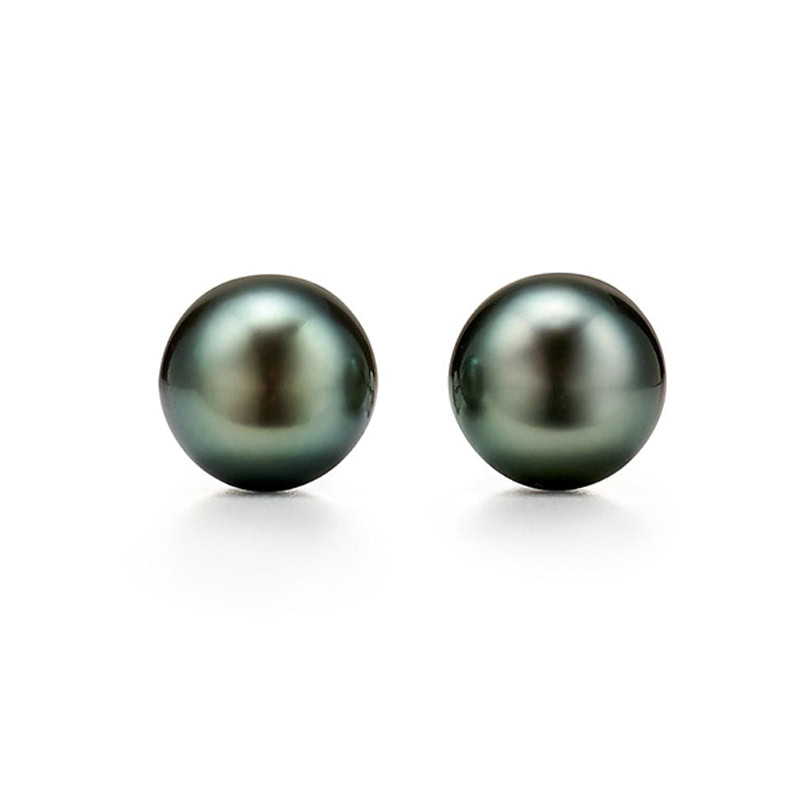
The Allure of Cultured Freshwater Pearls
Introduction For centuries, pearls have captivated humanity with their quiet [...]
Introduction
For centuries, pearls have captivated humanity with their quiet elegance and lustrous beauty. Among these treasures of the sea—or rather, of lakes and rivers—cultured freshwater pearls have emerged as perhaps the most democratic of all precious gems, combining beauty, affordability, and remarkable versatility. Unlike their saltwater cousins that form in oysters in marine environments, freshwater pearls develop within mussels in lakes, ponds, and rivers, primarily in China. Their accessibility has transformed the pearl industry, bringing these once-exclusive gems within reach of a broader audience while maintaining their timeless appeal. This article explores the unique characteristics, cultivation process, and enduring allure of cultured freshwater pearls.
The Evolution of Freshwater Pearl Cultivation
The history of cultured freshwater pearls represents one of the most remarkable transformations in the gemstone world. While natural freshwater pearls have been harvested for centuries, particularly from rivers in Scotland, Germany, France, and the United States, modern cultivation techniques have revolutionized both their availability and quality.
Chinese pearl farmers began commercial cultivation of freshwater pearls in the 1970s, initially producing small, irregularly shaped pearls often referred to as “rice krispie pearls” due to their size and appearance. These early cultured freshwater pearls, while affordable, lacked the refinement and luster of their saltwater counterparts and were generally considered lower-tier products in the pearl market.
However, the past three decades have witnessed a remarkable evolution in freshwater pearl cultivation. Chinese pearl farmers have continuously improved their techniques, developing new methods that have dramatically enhanced the quality, size, and shape of their pearls. By the early 2000s, the industry had begun producing pearls that rivaled Akoya pearls in roundness and luster, but at a fraction of the price.
Today’s high-quality cultured freshwater pearls bear little resemblance to their humble predecessors. Through selective breeding of mussels, improved nucleation techniques, and optimized farming conditions, producers now create freshwater pearls up to 15mm in size, with exceptional roundness, luster, and surface quality that can compete with much more expensive saltwater varieties.
The Cultivation Process
The cultivation of freshwater pearls differs significantly from that of saltwater pearls, accounting for many of their unique characteristics. The process begins with freshwater mussels, primarily the triangle shell mussel (Hyriopsis cumingii) in China’s lakes and rivers.
Unlike saltwater pearl cultivation, which typically involves implanting a round bead nucleus along with a piece of mantle tissue into an oyster, traditional freshwater pearl cultivation uses only tissue implantation. Small pieces of mantle tissue from donor mussels are surgically inserted into the mantle of host mussels. Each piece of tissue forms a pearl sac, which secretes nacre—the iridescent material that forms the pearl—around the irritant.
One of the most significant advantages of freshwater mussels is their ability to accept multiple tissue implants—often 25-40 per mussel, compared to just one or two in saltwater oysters. This multiple-pearl production capability helps explain the greater affordability of freshwater pearls compared to their saltwater counterparts.
The nucleated mussels are returned to the water in netted panels or cages, where they remain for 2-7 years, depending on the desired pearl size and quality. Throughout this period, the mussels require careful monitoring and maintenance to ensure optimal growing conditions, including appropriate water temperature, adequate nutrition, and protection from predators and disease.
At harvest time, the mussels are carefully opened, and the pearls are extracted. Unlike some saltwater pearl oysters, freshwater mussels can often survive the harvesting process and may be re-nucleated for a second cycle, though the second harvest typically produces fewer, larger pearls.
Distinctive Characteristics
Cultured freshwater pearls possess several characteristics that distinguish them from other pearl types and contribute to their unique appeal:
All-Nacre Composition
One of the most significant advantages of traditional tissue-nucleated freshwater pearls is their all-nacre composition. Unlike beaded pearls (such as Akoya, Tahitian, or South Sea) that form around a shell bead nucleus, tissue-nucleated freshwater pearls are solid nacre. This all-nacre structure makes them remarkably durable and resistant to chipping, allowing them to be enjoyed for generations with proper care.
Size and Shape Diversity
Freshwater pearls offer the widest range of shapes among all pearl types. While round pearls are the most coveted and expensive, freshwater pearls naturally occur in numerous appealing shapes, including near-round, button, oval, drop, baroque (irregular), and coin shapes. This diversity allows designers tremendous creative flexibility and gives consumers more options to express their personal style.
Modern cultivation techniques have significantly improved the percentage of round freshwater pearls produced, but many pearl connoisseurs particularly value the unique character of baroque freshwater pearls, appreciating that no two are exactly alike.
Color Palette
Freshwater pearls display the most diverse natural color range of any pearl type. Their natural colors include white, cream, yellow, orange, pink, lavender, and occasionally purple or blue. This wide color spectrum occurs naturally—unlike some saltwater pearls that are routinely treated to achieve particular colors.
The subtle pastel hues of freshwater pearls, particularly their signature soft pinks and lavenders, create a gentle, feminine aesthetic that complements a wide range of skin tones and clothing colors.
Luster and Surface
High-quality freshwater pearls exhibit excellent luster—the reflective quality that gives pearls their distinctive glow. While their luster is typically described as soft and satiny rather than the sharp, mirror-like reflectivity of Akoya pearls, premium freshwater pearls display a deep, glowing luminosity that is both subtle and captivating.
The surface quality of freshwater pearls has improved dramatically in recent decades. Top-grade freshwater pearls now feature smooth surfaces with minimal imperfections, though like all natural products, some surface characteristics are to be expected and add to their organic charm.
Versatility in Jewelry Design
The combination of beauty, affordability, and diversity has made cultured freshwater pearls extraordinarily versatile in jewelry design. From classic strands to contemporary artistic creations, freshwater pearls adapt to virtually every aesthetic.
Traditional Pearl Jewelry
Classic pearl necklaces, bracelets, and earrings remain perennially popular. The improved quality and increased availability of round freshwater pearls have made traditional pearl strands accessible to a much wider audience. A well-matched strand of high-quality round freshwater pearls offers much of the elegance of an Akoya necklace at a significantly lower price point.
Contemporary Designs
The wide variety of shapes, sizes, and colors available in freshwater pearls has inspired designers to create innovative, contemporary pieces that challenge traditional notions of pearl jewelry. Baroque pearls, in particular, have become fashion favorites for their organic, one-of-a-kind character and sculptural qualities.
Many designers appreciate the affordability of freshwater pearls, which allows them to create bold, multi-pearl designs that would be prohibitively expensive with saltwater pearls. Coin-shaped freshwater pearls have become particularly popular for their modern aesthetic and large surface area, which showcases their beautiful luster.
Fashion Accessibility
Perhaps most significantly, freshwater pearls have democratized pearl ownership. Once reserved for the wealthy or special occasions, pearls have become accessible everyday jewelry thanks largely to cultured freshwater pearls. Fashion-forward yet timeless, they bridge the gap between precious gems and fashion accessories, appearing in everything from fine jewelry collections to mass-market accessories.
Value Proposition
The exceptional value offered by cultured freshwater pearls constitutes one of their most compelling attributes. For consumers seeking the classic beauty of pearls without the premium price of saltwater varieties, freshwater pearls provide an attractive alternative.
Several factors contribute to their value advantage:
- Production Efficiency: The ability of freshwater mussels to produce multiple pearls simultaneously dramatically reduces per-pearl production costs compared to saltwater pearls.
- Growth Environment: Freshwater environments typically involve lower operational costs than ocean-based pearl farms, which must contend with deeper waters, stronger currents, and sometimes remote locations.
- Market Positioning: While the quality gap between top freshwater pearls and saltwater varieties has narrowed significantly, pricing has not fully caught up to this quality improvement, creating excellent value opportunities for informed buyers.
For pearl enthusiasts, this value proposition means the possibility of owning larger pearls, longer strands, or more elaborate designs than would be possible with the same budget for saltwater pearls.
Sustainability Considerations
As consumer awareness of environmental and ethical concerns grows, the sustainability aspects of freshwater pearl cultivation have gained attention. When properly managed, freshwater pearl farming can be environmentally sound, as mussels are filter feeders that can actually improve water quality.
However, practices vary widely across the industry. The most responsible producers implement water conservation measures, pollution controls, and sustainable harvesting practices. Some farms have achieved various environmental certifications, providing assurance to eco-conscious consumers.
The relatively low environmental impact of pearl cultivation compared to mining for other gemstones represents another appealing aspect of freshwater pearls for environmentally aware consumers.
Care and Longevity
The all-nacre composition of tissue-nucleated freshwater pearls contributes to their exceptional durability. With proper care, high-quality freshwater pearls can be enjoyed for generations and even become family heirlooms.
Basic care guidelines include:
- Putting pearls on after applying cosmetics, perfume, and hairspray
- Wiping pearls with a soft, damp cloth after wearing
- Storing pearls separately from other jewelry to prevent scratching
- Restringing pearl necklaces and bracelets periodically to prevent breakage
This durability, combined with their timeless aesthetic appeal, makes freshwater pearls a particularly wise jewelry investment.
Conclusion
Cultured freshwater pearls represent one of the most remarkable success stories in the gemstone world. Their evolution from humble beginnings to sophisticated gems worthy of fine jewelry showcases human ingenuity in partnership with nature. Their unique combination of beauty, affordability, diversity, and durability has democratized pearl ownership while maintaining the timeless allure that has captivated humanity for centuries.
For jewelry lovers, freshwater pearls offer the perfect blend of luxury and accessibility—genuine, organic gems that connect wearers to both ancient traditions and modern innovations in cultivation. Whether chosen for their classic elegance, their unique character, or their excellent value, cultured freshwater pearls continue to enchant with their subtle, luminous beauty and remarkable versatility.
In a world where so much is artificial or mass-produced, freshwater pearls remain genuine treasures—created through the patient collaboration of humans and nature, each one subtly unique, and all bearing the timeless allure that has made pearls prized throughout human history.
Share This Article

Written by : Scarlett Chen
Follow Us
Latest Articles
September 13, 2026
September 13, 2026