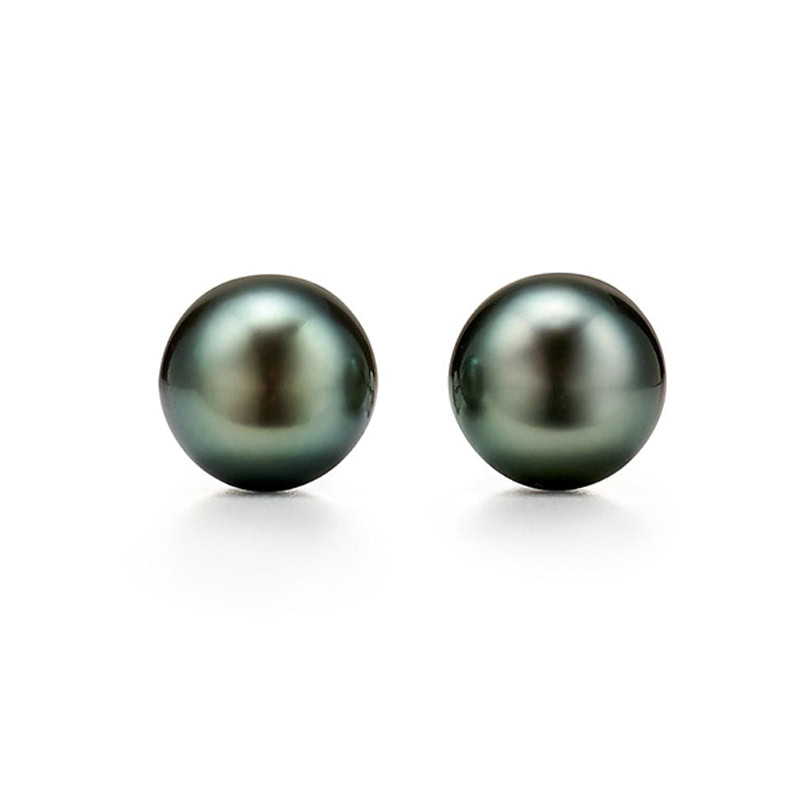
What Are Freshwater Pearls: A Comprehensive Guide
Introduction
Pearls have captivated humanity for thousands of years with their lustrous beauty and natural elegance. Among the various types of pearls available in the market today, freshwater pearls stand out for their affordability, variety, and wide availability. This comprehensive guide delves into everything you need to know about freshwater pearls, from their formation process to their value and authenticity.
Table of Context
- What Are Freshwater Pearls
- Are Freshwater Pearls Real
- Do Freshwater Clams Have Pearls
- How Much Are Freshwater Pearls Worth
- Do Freshwater Mussels Have Pearls?
- How to Tell if Freshwater Pearls Are Real
- Where Do Freshwater Pearls Come From?
- The Evolution of Freshwater Pearl Cultivation
- Freshwater Pearl Quality Factors
What Are Freshwater Pearls?
Freshwater pearls are exactly what their name suggests: pearls that form in freshwater environments such as lakes, rivers, and ponds, rather than in saltwater oceans or seas. These beautiful gems are produced by freshwater mussels, primarily of the Hyriopsis family, with the most common being Hyriopsis cumingii (triangle shell mussel).
Unlike their saltwater counterparts, which typically grow in oysters, freshwater pearls develop inside mussels. The biological process of pearl formation remains similar regardless of the environment. When an irritant enters the mollusk’s shell, the creature protects itself by secreting nacre (pronounced NAY-ker), also known as mother-of-pearl. This iridescent material, composed primarily of calcium carbonate in the form of aragonite or calcite crystals, gradually builds up in layers around the irritant, eventually forming what we recognize as a pearl.
Freshwater pearls are distinctive in several ways:
- All-nacre composition: Traditional freshwater pearls are composed almost entirely of solid nacre, unlike many saltwater varieties that form around a bead nucleus.
- Multiple pearls per mussel: A single freshwater mussel can produce multiple pearls simultaneously—typically 24 to 32, but sometimes up to 50 pearls in a single growth cycle. In contrast, saltwater oysters usually produce only one or two pearls at a time.
- Shape diversity: Freshwater pearls naturally occur in a wide variety of shapes, from near-round to baroque (irregular), button, oval, drop, and coin shapes.
- Color range: They display an impressive natural color palette, including white, cream, pink, lavender, peach, and occasionally purple or blue hues.
- Size range: Commercially available freshwater pearls typically range from 2mm to 15mm, with most falling between 5-8mm.

White Freshwater Pearls

Are Freshwater Pearls Real?
One of the most common questions about freshwater pearls is whether they are “real.” The answer is unequivocally yes—freshwater pearls are absolutely real pearls. The confusion often stems from the distinction between natural and cultured pearls, as well as between real and imitation pearls.
Natural vs. Cultured Pearls
- Natural pearls form completely by chance in the wild, without any human intervention. When a natural irritant such as a grain of sand enters a mollusk, the creature begins to coat it with nacre. These are exceedingly rare and command extremely high prices.
- Cultured pearls form through a process that includes human intervention. Pearl farmers deliberately introduce an irritant into the mollusk to initiate the pearl-forming process. However, the actual formation of the pearl—the secretion of nacre—is entirely natural and performed by the mollusk.
The vast majority (over 99%) of all pearls on the market today, including freshwater pearls, are cultured. This doesn’t make them “fake” or “artificial”—they are still real pearls created by living organisms through the same biological process as natural pearls. The only difference is that humans have initiated and optimized the process.
Real vs. Imitation Pearls
Imitation pearls, on the other hand, are not real pearls at all. These are typically made from glass beads coated with a solution containing fish scales (called essence d’Orient) or various synthetic materials designed to mimic the appearance of nacre. Common types of imitation pearls include:
- Majorica pearls (made from glass coated with a pearly essence)
- Plastic or acrylic pearls
- Shell pearls (made from the inner lining of oyster shells, ground and formed into beads)
Unlike these imitations, freshwater pearls are biologically genuine, composed of the same nacre substance as the most expensive natural pearls found in the ocean.
Do Freshwater Clams Have Pearls?
While “clam” and “mussel” are sometimes used interchangeably in casual conversation, they refer to different types of bivalve mollusks in scientific classification. That said, yes, freshwater clams can produce pearls, although the vast majority of commercial freshwater pearl production comes from mussels rather than clams.
Freshwater pearl-producing species include:
- Mussels: The primary producers of commercial freshwater pearls
- Hyriopsis cumingii (triangle shell mussel) – the main species used in Chinese pearl farming
- Hyriopsis schlegelii (Biwa pearly mussel) – historically important in Japanese pearl farming
- Cristaria plicata (cockscomb mussel) – formerly widely used in China
- Clams: Less commonly used for commercial pearl production
- Various species of the Unionidae family can produce pearls
- North American species like Quadrula quadrula (mapleleaf) and Megalonaias nervosa can produce pearls
In the wild, many species of freshwater clams and mussels have the potential to produce pearls, though the occurrence is rare. For commercial pearl production, specific mussel species are selected based on their nacre quality, growth rates, and adaptability to farming conditions.

Freshwater Clams

How Much Are Freshwater Pearls Worth?
Freshwater pearls are generally the most affordable type of pearl on the market, making them accessible to a wide range of consumers. Their value varies significantly based on several factors, including size, shape, color, luster, surface quality, and nacre thickness.
Typical Price Ranges
The price range for freshwater pearls is quite broad:
- Low-quality freshwater pearls: Below $30
- Average-quality freshwater pearls: $30-$50
- Fine-quality freshwater pearls: $75-$5,000 or more
For comparison, fine Akoya pearls may cost $1,500-$6,000, while South Sea pearls can range from $2,000 to over $135,000 for exceptional specimens.
Factors Affecting Value
- Size: Larger pearls are generally more valuable. While freshwater pearls typically range from 2mm to 15mm, those over 8mm command significantly higher prices.
- Shape: Round pearls are the most valuable, followed by near-round, drop, button, oval, and baroque shapes. Perfectly round freshwater pearls are relatively rare and therefore more expensive.
- Color: Natural colors like white with pink overtones are highly valued. Rare natural colors such as deep lavender can command premium prices.
- Luster: High-quality freshwater pearls exhibit a deep, reflective luster that gives them their characteristic glow. Better luster equals higher value.
- Surface quality: Pearls with fewer surface imperfections (spots, bumps, wrinkles) are more valuable.
- Matching: For strands or pairs, how well the pearls match in size, shape, color, and luster significantly affects the overall value.
Value of Pearl Jewelry
The price of freshwater pearl jewelry varies based on the quality of the pearls and the materials used:
- Freshwater pearl strands: $50 to $2,000, with most quality strands in the $200-$600 range
- Freshwater pearl earrings: $20 to $500+
- Freshwater pearl pendants: $30 to $300+
- Freshwater pearl rings: $40 to $500+
When precious metals and other gemstones are incorporated, the price increases accordingly. For example, freshwater pearl jewelry set in 14K gold will cost significantly more than similar designs in sterling silver.
Do Freshwater Mussels Have Pearls?
Yes, freshwater mussels are the primary source of freshwater pearls. In fact, virtually all commercially available freshwater pearls come from mussels rather than other mollusks. Freshwater pearl cultivation predominantly uses several species of the Hyriopsis genus, particularly Hyriopsis cumingii in China, which is responsible for the vast majority of global freshwater pearl production.
The Pearl Formation Process in Mussels
The pearl formation process in freshwater mussels differs slightly from that in saltwater oysters:
- Nucleation method: Traditional freshwater pearl cultivation uses tissue implantation rather than bead nucleation. Small pieces of mantle tissue from donor mussels are surgically inserted into the mantle of host mussels. Each piece of tissue forms a pearl sac, which secretes nacre around the tissue, eventually forming a pearl.
- Multiple pearl production: Unlike saltwater oysters that typically produce only one or two pearls at a time, a single freshwater mussel can be implanted with 12-16 tissue grafts per valve (the two halves of the mussel shell), allowing for the production of 24-32 pearls simultaneously.
- Cultivation period: After nucleation, the mussels are returned to the water in netted panels or cages, where they remain for 2-7 years, depending on the desired pearl size and quality.
- Harvest methods: At harvest time, the mussels are carefully opened, and the pearls are removed. Unlike some saltwater pearl oysters, freshwater mussels can often survive the harvesting process and may be re-nucleated for a second cycle.
Historical Note
It’s worth noting that historically, natural freshwater pearls were found in rivers throughout North America, Europe, and Asia. The Mississippi River basin once supported a thriving pearl industry in the late 19th and early 20th centuries. However, overharvesting, pollution, and habitat destruction have made natural freshwater pearl findings extremely rare today.

Freshwater Mussels

How to Tell if Freshwater Pearls Are Real
Distinguishing real freshwater pearls from imitations can be challenging, especially with today’s sophisticated fake pearls. However, several tests and observations can help determine authenticity:
Visual and Tactile Tests
- The tooth test: Gently rub the pearl against the edge of your front tooth. Real pearls feel slightly gritty or sandy due to their crystalline structure, while fake pearls feel smooth or glassy.
- Surface examination: Real pearls have slight imperfections visible under magnification. Their surface shows tiny ridges, pits, or irregularities, whereas imitation pearls often have perfectly smooth surfaces or show a pattern of regular indentations.
- Luster quality: Genuine pearls have a deep, reflective luster that seems to come from within the pearl. Fake pearls typically have a more superficial, paint-like shine.
- Weight: Real pearls feel substantively heavier than plastic imitations of the same size.
- Temperature: Real pearls feel cool to the touch initially and then quickly warm up, while plastic imitations warm up immediately.
Light-Based Tests
- Drill hole examination: If the pearl is drilled, examine the drill hole with a magnifying glass. In real pearls, you’ll see concentric layers of nacre, like the rings of a tree. Fake pearls may show a uniform substance or coating separation.
- Light reflection: Hold the pearl under a bright light. Real pearls produce a soft, diffused glow, while imitations often give off a harsh, mirror-like reflection.
- Overtone observation: Move real pearls under the light, and you’ll often see subtle color shifts or overtones (like pink or green) that play across the surface. Imitations typically lack these subtle color variations.
Other Tests
- The fire test: This destructive test should only be used as a last resort. When exposed to fire, real pearls will not burn easily, and the nacre will turn white and crumble. Plastic imitations will melt or burn with a chemical smell.
- The acetone test: Real pearls are unaffected by acetone (nail polish remover), while some imitations may dissolve or have their coating damaged.
- Professional verification: For valuable pearl jewelry, consider having it evaluated by a professional gemologist who has specialized equipment like X-ray diffraction or Raman spectroscopy to definitively identify genuine pearls.
Distinguishing Freshwater from Saltwater Pearls
Once you’ve determined that pearls are genuine, you might want to distinguish freshwater from saltwater varieties:
- Nacre thickness: Freshwater pearls are typically solid nacre, while many saltwater pearls have a bead nucleus with a nacre coating.
- Weight: For the same size, bead-nucleated saltwater pearls may feel slightly heavier than tissue-nucleated freshwater pearls.
- Luster type: Freshwater pearls often have a softer, more diffuse luster compared to the sharp, mirror-like reflectivity of Akoya pearls.
- Price: If the price seems too good to be true for what’s claimed to be a saltwater pearl, it might actually be a freshwater pearl.
Where Do Freshwater Pearls Come From?
Freshwater pearls are cultivated in various regions around the world, with China dominating global production. Here’s a breakdown of the major sources:
China
China is by far the world’s largest producer of freshwater pearls, accounting for more than 95% of global production. The Chinese freshwater pearl industry began developing significantly in the 1970s and has evolved tremendously since then.
Key production areas in China include:
- Zhuji, Zhejiang Province: The “Pearl City of China” and the center of freshwater pearl production
- Lake Tai region in Jiangsu Province
- Various locations in Hunan Province
- Hubei Province
The Chinese freshwater pearl industry has transformed over the decades. Initially producing small, irregularly shaped “rice krispie” pearls in the 1970s and 1980s, China’s pearl farmers have continuously improved cultivation techniques. Today, they produce high-quality pearls with excellent luster, larger sizes, and increasingly round shapes that rival more expensive saltwater varieties.
Japan
Japan has a historic place in freshwater pearl cultivation as the first country to cultivate whole freshwater pearls, which it did in Lake Biwa using the Biwa pearly mussel (Hyriopsis schlegeli). The Japanese freshwater pearl industry has nearly ceased to exist today, but “Biwa pearls” became so famous that the term is sometimes incorrectly used as a generic name for all freshwater pearls.
Japan attempted to revive its freshwater pearl industry in Lake Kasumigaura using a mussel hybrid (Hyriopsis schlegeli/Hyriopsis cumingi) in the early 2000s, but this venture also failed, with production ceasing in 2006.
United States
The United States has a small but historically significant freshwater pearl industry centered in Tennessee. Founded by the late John Latendresse, the American Pearl Company operates on the Tennessee River and is the only commercial source of freshwater pearls outside of Asia. Today, it continues primarily as a tourist attraction rather than a major commercial producer.
In the past, natural freshwater pearls were harvested from mussels in the Mississippi River basin and other American rivers. However, overharvesting and environmental degradation have made this practice largely unsustainable.
Other Regions
Emerging freshwater pearl industries are developing in:
- Vietnam: Developing freshwater pearl cultivation with some success
- Bangladesh: Small but growing industry
- Southeast Asian countries: Various smaller operations
Environmental Considerations
The environmental impact of freshwater pearl farming varies significantly depending on practices. When properly managed, freshwater pearl farms can be environmentally sustainable since mussels are filter feeders that can actually improve water quality. The best producers implement water conservation measures, pollution controls, and sustainable harvesting practices.
However, irresponsible farming can lead to pollution, habitat destruction, and the introduction of non-native species. The industry has faced criticism in some regions for these issues, though many producers are working toward more sustainable practices.


Freshwater Pearl Cultivation
The Evolution of Freshwater Pearl Cultivation
The history of freshwater pearl cultivation shows remarkable advancement in just a few decades:
Early Cultivation (1970s-1980s)
- Primarily used the cockscomb pearl mussel (Cristaria plicata)
- Produced small, irregular “rice krispie” pearls
- Multiple tissue implantations (up to 50 per mussel)
- Limited color range and luster
- Low market value
Transition Period (1990s)
- Shift to triangle shell mussel (Hyriopsis cumingii)
- Improved cultivation techniques
- Better pearl shapes and larger sizes
- Enhanced luster and surface quality
- Growing market recognition
Modern Cultivation (2000s-Present)
- Hybridized mussel species for improved results
- Advanced nucleation techniques
- Production of near-round and round pearls
- Larger sizes (up to 15mm commercially available)
- Excellent luster comparable to saltwater pearls
- Wide color range including natural pastels
- Significantly increased market value for top specimens
This evolution represents one of the most impressive quality improvement stories in the gemstone industry.
Freshwater Pearl Quality Factors
Understanding the factors that determine freshwater pearl quality helps in both valuation and selection:
Luster
Luster refers to the pearl’s reflective quality—its shine or brilliance. High-quality freshwater pearls display a sharp, reflective surface with a deep glow that seems to emanate from within the pearl.
Quality grades for luster:
- Excellent: Sharp, mirror-like reflections with intense inner glow
- Very Good: Bright reflections with good inner glow
- Good: Bright but not sharp reflections with some inner glow
- Fair: Weak reflections with little inner glow
- Poor: Dull or chalky appearance with no inner glow
Shape
While perfectly round pearls are traditionally most valuable, other shapes have gained popularity for their unique character:
- Round: Perfectly or nearly perfectly spherical
- Near-round: Slightly off round but appears round at a glance
- Oval: Elongated spherical shape
- Button: Flattened on one side, resembling a button
- Drop: Pear or teardrop shape
- Baroque: Irregular, non-symmetrical shapes
- Coin: Flat, disc-like pearls
- Keshi: Small, irregular pearls formed without a nucleus
Size
Size significantly impacts value, with larger pearls commanding higher prices:
- Small: 2-5mm
- Medium: 5-8mm (most common commercial sizes)
- Large: 8-11mm
- Very Large: 11mm+ (rare in freshwater pearls)
Color
Freshwater pearls display the widest natural color range of any pearl type:
- White: Pure white to off-white
- Cream/Ivory: Warm white to light yellow
- Pink: Soft pink to rose
- Lavender: Pale to deep purple
- Peach/Orange: Soft orange to salmon
- Gold: Light to deep golden hues
- Unusual colors: Blue, green, or multicolored (rare and valuable)
Many pearls also display overtones—secondary colors visible when light hits the pearl at certain angles—which can enhance their beauty and value.
Surface Quality
The fewer surface imperfections, the more valuable the pearl:
- Clean: No or very minor imperfections visible to the naked eye
- Lightly spotted: Few minor imperfections
- Moderately spotted: Noticeable imperfections
- Heavily spotted: Numerous or significant imperfections
Nacre Thickness
Since traditional freshwater pearls are solid nacre, this is less of a concern than with bead-nucleated saltwater pearls. However, some modern freshwater pearls are now bead-nucleated, making nacre thickness relevant for these types.

Conclusion
Freshwater pearls represent nature’s remarkable ability to transform simple materials into objects of enduring beauty. From their formation inside freshwater mussels to their diverse colors, shapes, and sizes, these gems offer both accessibility and elegance to pearl enthusiasts worldwide. Their evolution from the humble “rice krispie” pearls of decades past to today’s high-quality specimens demonstrates the continuous advancement of cultivation techniques.
Whether you’re purchasing freshwater pearls for their affordability, unique character, or sustainable attributes, understanding their origin, authenticity indicators, and value factors helps ensure a satisfying acquisition. As the industry continues to evolve, freshwater pearls are likely to maintain their position as the most versatile and widely available pearl type, bringing the timeless allure of these organic gems to an ever-expanding audience.
Share This Article

Written by : Scarlett Chen
Follow Us
Latest Articles
June 10, 2026
June 10, 2026